In China, a 75-year-old war wound is still bleeding

When I was a boy, I liked to argue with adults about history. I’d ask questions that are impossible to answer, like whether the United States would have become a superpower if the South had won the Civil War, or whether we’d all be speaking a different language if the Allied forces hadn’t defeated Adolf Hitler’s Nazi Germany.

I formed my own opinions too, mostly based on facts I learned at school. One of the more heated debates I had was with my grandfather, a Korean War veteran. I told him I thought the U.S. was wrong to drop atomic bombs on Japan during World War II.

He said the bombing was necessary to end the war, and that I didn’t understand how brutal the Japanese soldiers were. But what about all the innocent people in Nagasaki and Hiroshima killed by the bombs, I asked. What did they do to deserve to die?

It was the only way to end the war, he repeated. Continue reading

The land of the emperor of beers

Growing up in a part of the world largely isolated from Asian culture, two of the things I associated most with China were fortune cookies and Tsingtao beer.

I quickly found out after eating a couple meals in Beijing that fortune cookies are not a Chinese tradition. But Tsingtao beer is to China what Budweiser is to America: the emperor of beers.

Tsingtao is brewed in Qingdao, a city on China’s east coast, which hosts an international beer festival every year. Since I rarely meet a cold drink I don’t like, I decided to go there last August to mingle with the country’s top beer connoisseurs.

I took a high-speed train from Beijing to Qingdao, a service that was only opened last summer. If you haven’t taken a trip yet on a high-speed train, you should. The ride is comfortable; it’s less bumpy than a jet and more spacious. I’m about 6 feet tall, and I have trouble getting comfortable on long flights between China and the US. But on the four-hour train ride, I could stretch out without digging my knees into the back of the person sitting in front of me.

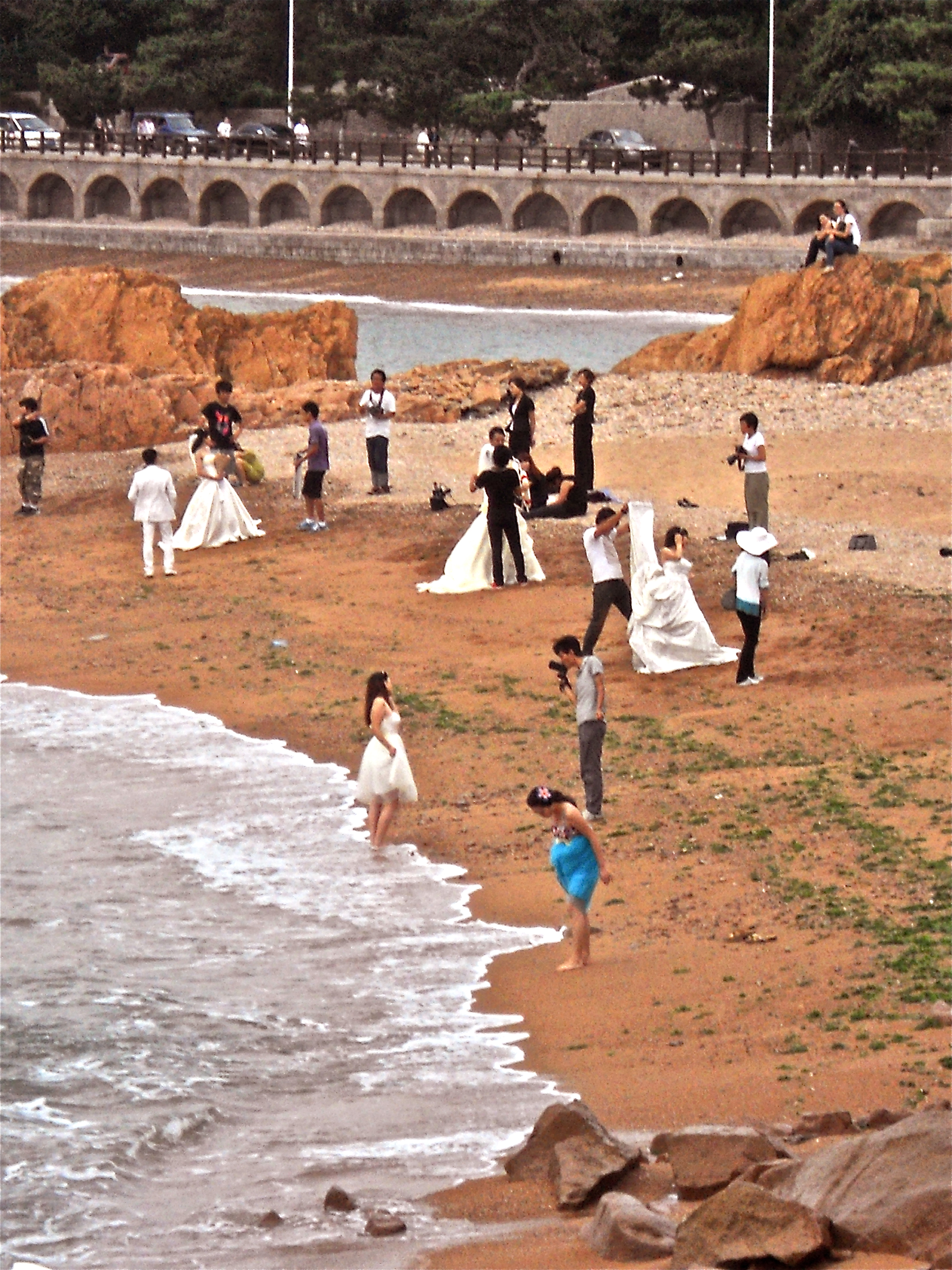
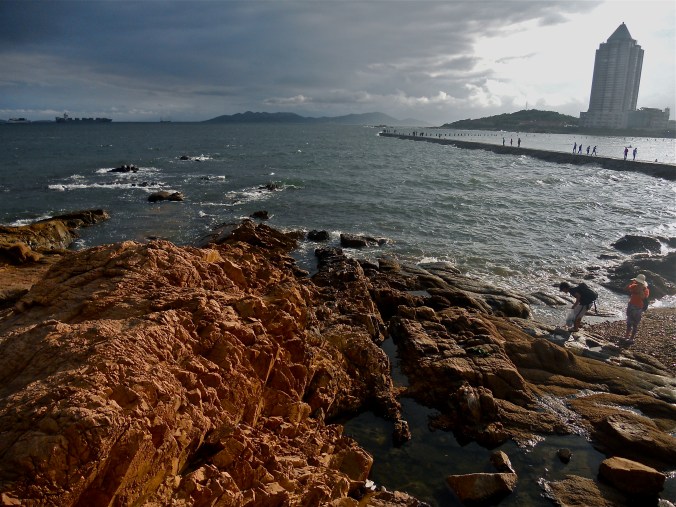
One of the first places I visited in Qingdao was a boardwalk along the shore of the Yellow Sea, on the east coast of China. The sky was overcast, and the beach was dotted with couples posing for pre-wedding pictures — a popular practice among middle- and upper-class Chinese. A light breeze ruffled the brides’ white wedding gowns as the photographers and their assistants scrambled to finish before sunset. The air in Qingdao was clean and fresh and provided a much needed break from the stagnant, gray air I’ve become accustomed to breathing in Beijing.

Boardwalk along the shore of the Yellow Sea. Buildings in downtown Qingdao can be seen in the distance.

Couples and photographers maneuver for the perfect position on one of Qingdao's beaches.
That evening I went to the trip’s main event — the international beer festival. It was held in a huge lot that reminded me of some of the fairgrounds in the United States. A steady rain was falling, and the ground was muddy. Large tents had been set up for the “designated drinkers,” and people crowded inside to stay dry. Many of the tents had stages that featured singers and dancers, turning the beer festival into a sort of variety show. Every so often, a half-loaded man would spring from the audience and join in, drawing cheers from the crowd. Continue reading

Fortress opens window to ancient China

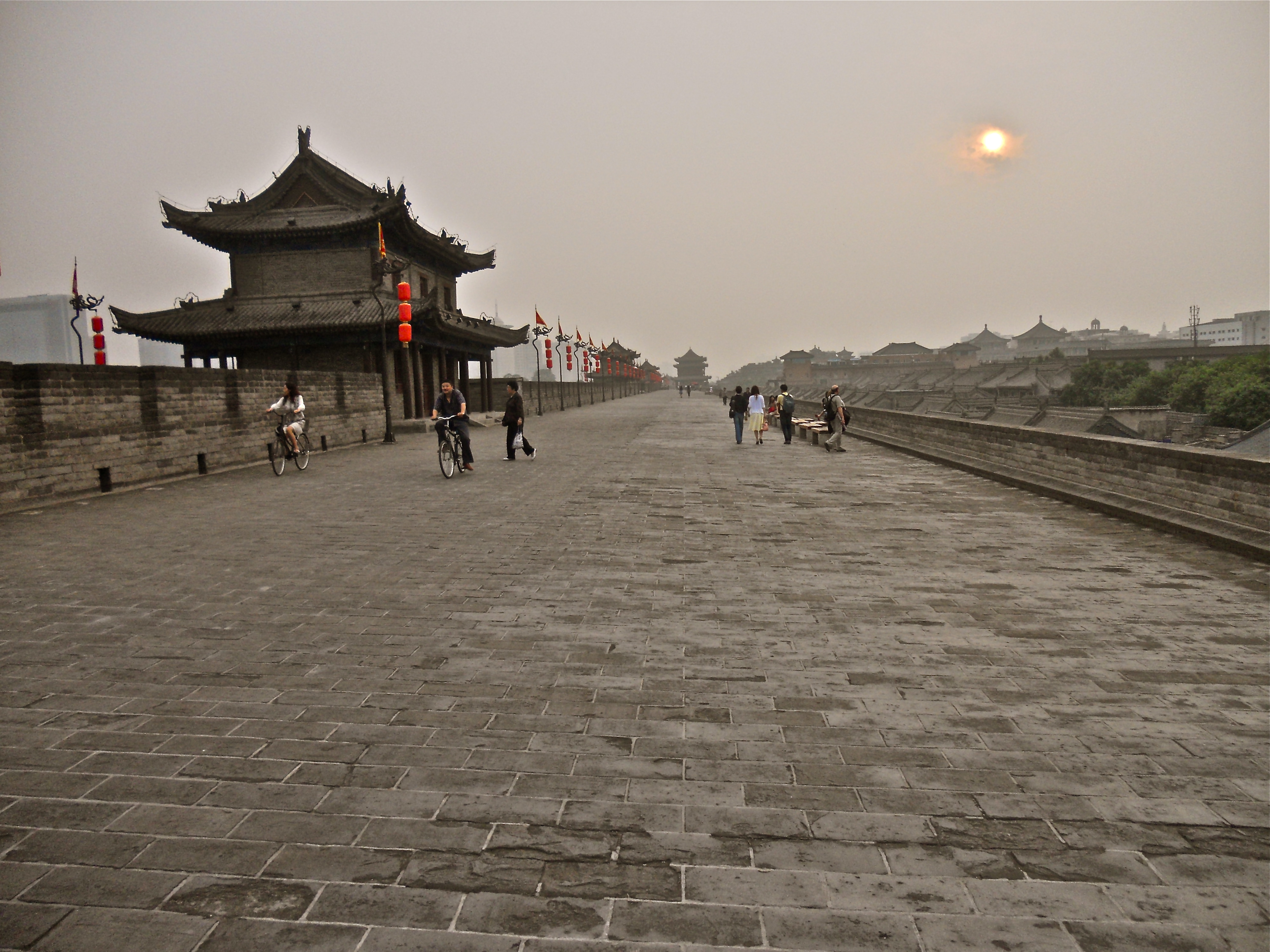
I imagine it got lonely up here at night in the darkness, 12 meters off the ground. It was probably quiet too with the entire city sleeping, and with no cell phones, no radio, no TV. Just a bow and arrow and maybe some food and water to tide you over till the morning.

The sunrise must have been brilliant, with a view extending several kilometers into the countryside. Even the most indecisive minds likely had ample time to make judgments about the intentions of men approaching the gate. Business or battle. Friend or foe.

The towers where the first protectors of Xi’an patrolled in the 14th century are today home to merchants peddling cheap souvenirs and renting bikes to tourists. There is no view of the horizon anymore, thanks to scores of high-rise apartment buildings and air pollution from factories. The silence is gone too, as cars and buses lined bumper-to-bumper rumble through the wall’s gates all hours of the day, entering the heart of a growing city with a population of already 8 million.

A street in the city center that leads to one of the wall's gates.

The wall is now a tourist attraction, one of many sites that draw visitors from around the world to Xi’an, in northwest China’s Shaanxi province. The wall, shaped like a rectangle, surrounds the city center. It was built in 1370, during the Ming Dynasty (1368-1644), and is one of the best preserved ancient walls in China. Continue reading

Fair is foul and foul’s not fair

The walk from my apartment to the closest subway station takes about 10 minutes. I usually try to zone out. There’s not much to look at. Most of Beijing’s neighborhoods are packed with high-rise apartment buildings that clog the skyline, each as forgettable as the next. Mine is no different. Except for the turds.

Dog turds are everywhere. And by everywhere I mean every few yards: one stinking, sticky landmine after another. Worse yet, the same turds often sit on the sidewalk for several days before they’re either washed away or scooped up by street cleaners. I know because I walk the route several times a week.

(Photo courtesy of Erin McCracken)

One day I kept a tally of the turds I passed. In the middle of the sidewalk. On a curb. In front of a school. Outside the entrance of a chicken feet restaurant. By the time I got to 40, I felt like gagging and stopped looking down. Continue reading

Where there’s a Wall, there’s a way

One of the first places I visited after moving to Beijing was the Great Wall at Mutianyu. It sits above a charming village that has benefited greatly from tourism. Group buses from Beijing, only 70 km away, whiz past farmers carrying wood and crops on narrow roads all day long.

The road that leads to the Wall has been taken over on both sides by vendors hawking T-shirts (I climbed the Great Wall!), Chairman Mao hats, poster prints of the Wall and dozens of other souvenirs. There’s even a Subway restaurant, but sadly no McDonald’s or Starbucks. I thought about turning around but kept going.

To get on the Wall you can either walk a steep trail or ride a ski lift. I chose the ski lift and as I waited in line, I walked past pictures of foreign dignitaries who had visited Mutianyu. One of the pictures was of a sweaty Bill Clinton boarding the lift (“Must have been sitting behind some young co-eds,” an American in front of me quipped).

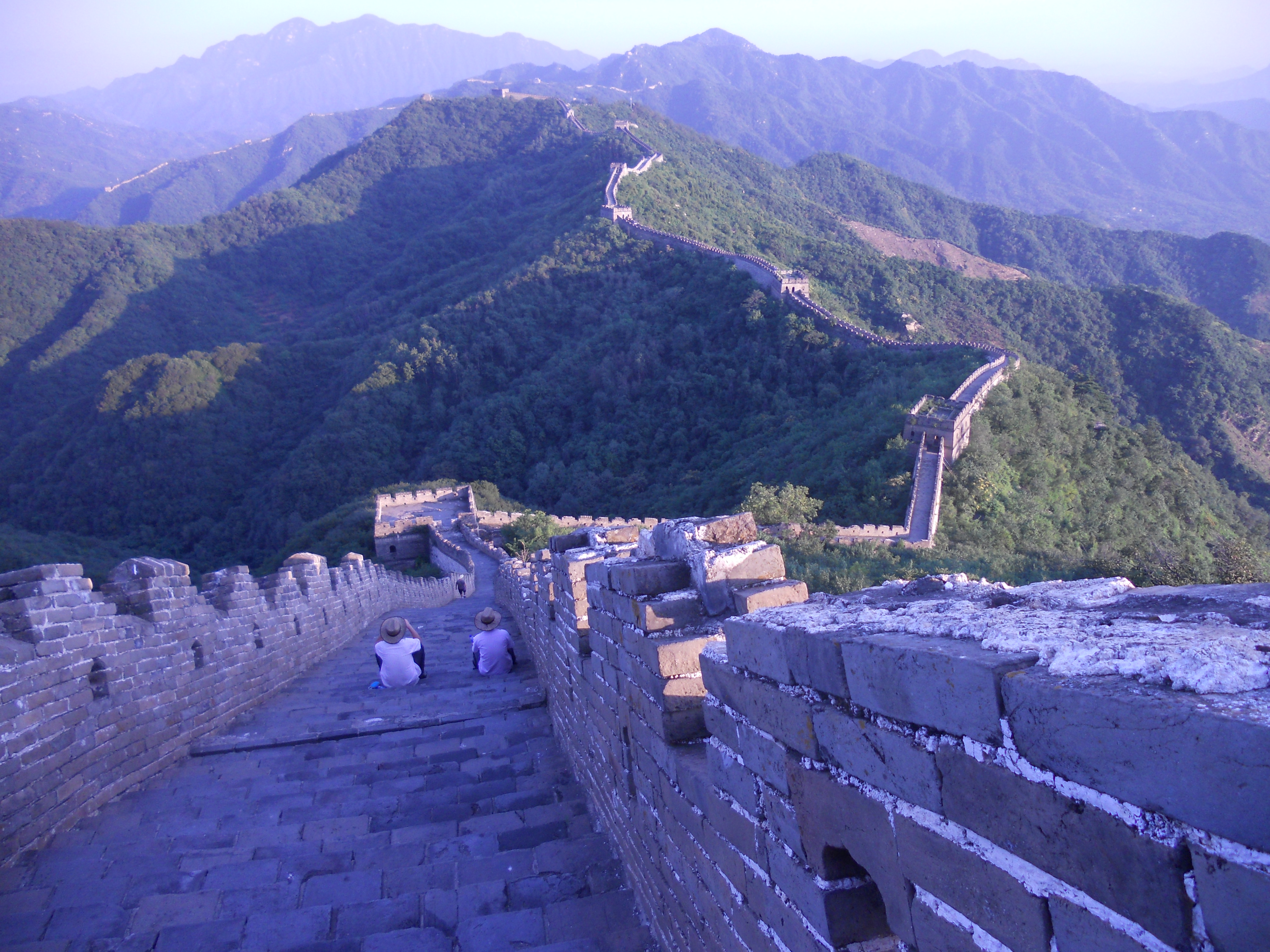
It was a clear day, and the views of the mountains were spectacular. But the Wall, still intact in most places, had a sanitized feel. Many of the towers and bricks at Mutianyu have been restored. I wanted to experience the Great Wall in its natural, crumbling state.

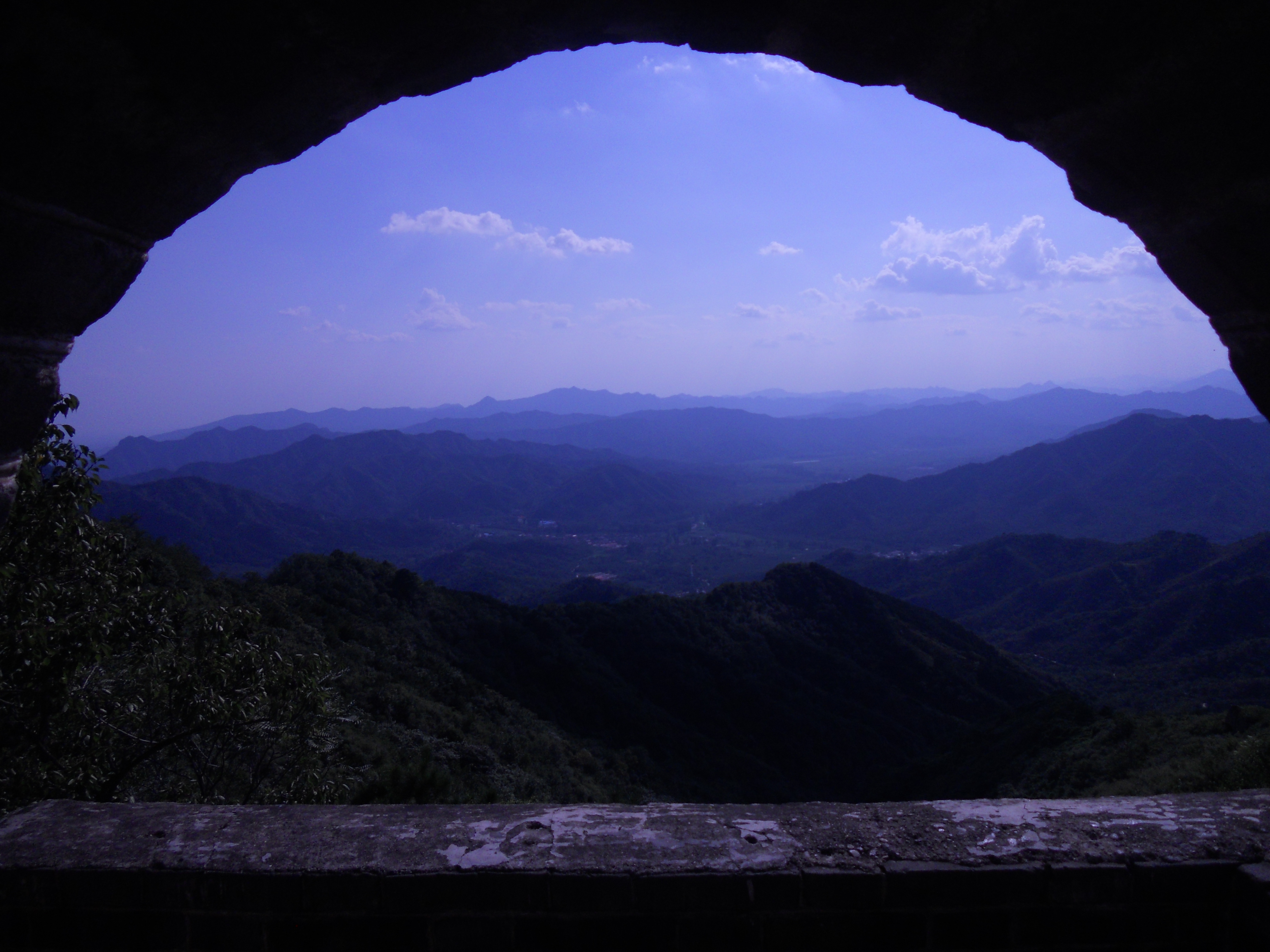
View from a tower window.

Sunset at Mutianyu.

Several months later, I went with three friends to an unrestored section called Huanghua (Yellow Flower). We hired a cab driver named Mr. Li to take us there. Our only request was that he get us to the Wall before dawn so we could take pictures of it at sunrise. Continue reading

Where emperors galloped

I went to Chengde on a whim, and it turned out to be the best city I had never heard of. My mother and brother were visiting Beijing from Kentucky, and I wanted to take them somewhere outside the Chinese capital so they could experience a different part of the country.

I picked Chengde because it was close and had a lot of history. During the Qing (1644-1911), China’s last dynasty, it served as a getaway for the royal family. Situated 250 kilometers northeast of Beijing, Chengde with its rolling mountains and thick forests provided a cool and scenic escape from the capital’s blistering hot summers and flat landscape.

Pule Temple, with downtown Chengde in the distance.

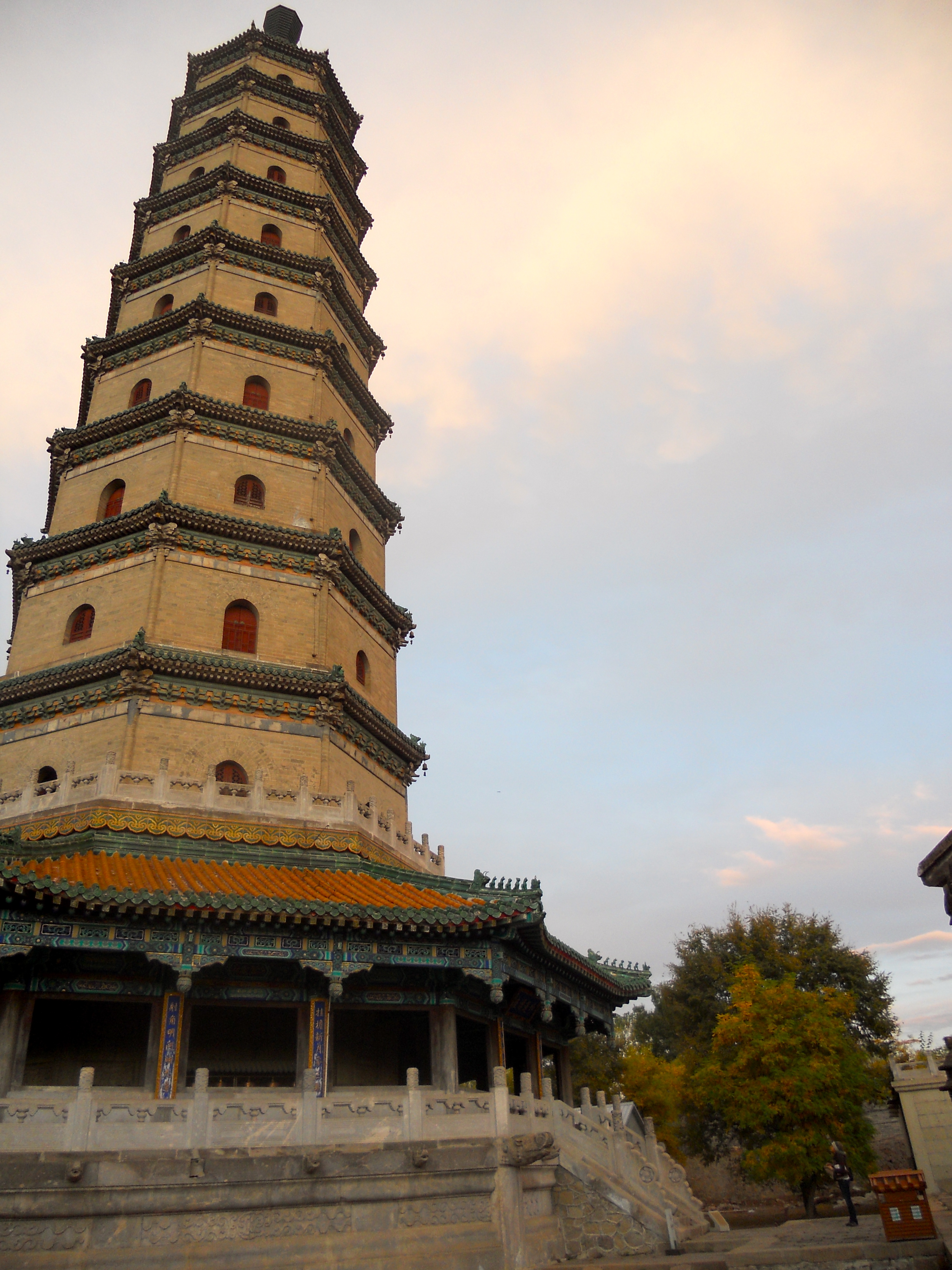
This pagoda, located inside the imperial summer resort, houses a statue of the Buddha.

We went in the fall, when the leaves had turned brilliant shades of red, yellow and orange. Chengde’s main historical site is Bishu Shanzhuang, an imperial summer resort that began construction in 1703. Admission was pricey – 120 RMB ($19) – twice what it costs to tour the Forbidden City in Beijing. But the resort’s impressive mountain lookouts justified the expense. Continue reading

iPhone 4 – China’s obsession with status

Long lines form before dawn. Those with a spot close to the front slump against the store’s exterior to catch a few minutes of rest in the freezing cold. An announcement is made. People panic and begin pushing. There are scuffles with security.

It’s a scene all too familiar by now to Americans. A phenomenon that happens once a year the day after Thanksgiving and turns wholesome, mouse-fearing stay-at-home moms into raging, get-to-aisle-6-by-any-means-necessary bargain hunters.

Only in this case, the lines weren’t for the latest Tickle Me Elmo doll or Nintendo gaming system. They weren’t even in America. They were outside Beijing’s Apple store for the launch of the iPhone 4S. Unlike businesses on Black Friday, the Apple store wasn’t offering any bargains. A 16 GB iPhone 4S without a contract costs about $140 more in China ($790) than in the United States ($649), even though the phones are manufactured at a factory on the Chinese mainland.

A crowd gathers outside the Apple Store in Beijing on Jan. 8, a few days before the iPhone 4S was scheduled to go on sale.

The demand for Apple products in China is so high that scalpers hire migrant workers to buy iPhones and iPads, which are then sold at a markup. The scalpers often stand within a few feet of the Apple store, holding iPhone boxes in the air and shouting “iPhone Si!, iPhone Si!” hoping to catch people leaving empty-handed (Si, pronounced “suh,” is the word for 4 in Mandarin).

“Customer response to our products in China has been off the charts,” Tim Cook, Apple’s CEO, said earlier this month in a press release. Continue reading

Video of toddler left for dead sparks debate

On Oct. 13, a 2-year-old girl walking alone in the middle of a market street in the southern Chinese city of Foshan was run over by a van. Had her story stopped there, it likely would have generated little interest from the Chinese media. But a security camera in the market recorded the accident, and the video would horrify people around the world.

It showed that the van didn’t stop after it hit the girl, and neither did the next 18 people who passed by her body. A few slowed their pace and glanced down, the kind of thing a jogger on a trail might do to step around a dying animal.

A few minutes after she was struck by the van, a second vehicle ran over her leg. The girl barely moved. The vehicle kept going. Eventually, a trash collector stopped, pulled the girl’s body to the side of the street and left to find help.

The girl, later identified as Wang Yue, was critically injured and taken to a hospital. The video of the accident was posted on Youku, China’s version of Youtube. It quickly went viral, with viewers expressing their disgust at the people who walked by Wang Yue but didn’t help. Continue reading

Beijing’s indefinite particles

The skies were brilliant blue the day I arrived in Beijing. From the street, you could see the tops of skyscrapers. And from the tops of skyscrapers, you could see the outline of jagged mountains on the horizon.

This kind of visibility wasn’t normal, and sure enough within a few days, a haze began to set over the city. The tops of tall buildings disappeared in the smog. The air became heavier, and I found it harder to breathe, especially when I exercised outside, which I like to do. Cars in my neighborhood that hadn’t been moved for days became coated in residue of some kind. If you left a window open at your home, the dust seeped in and settled on the floor.

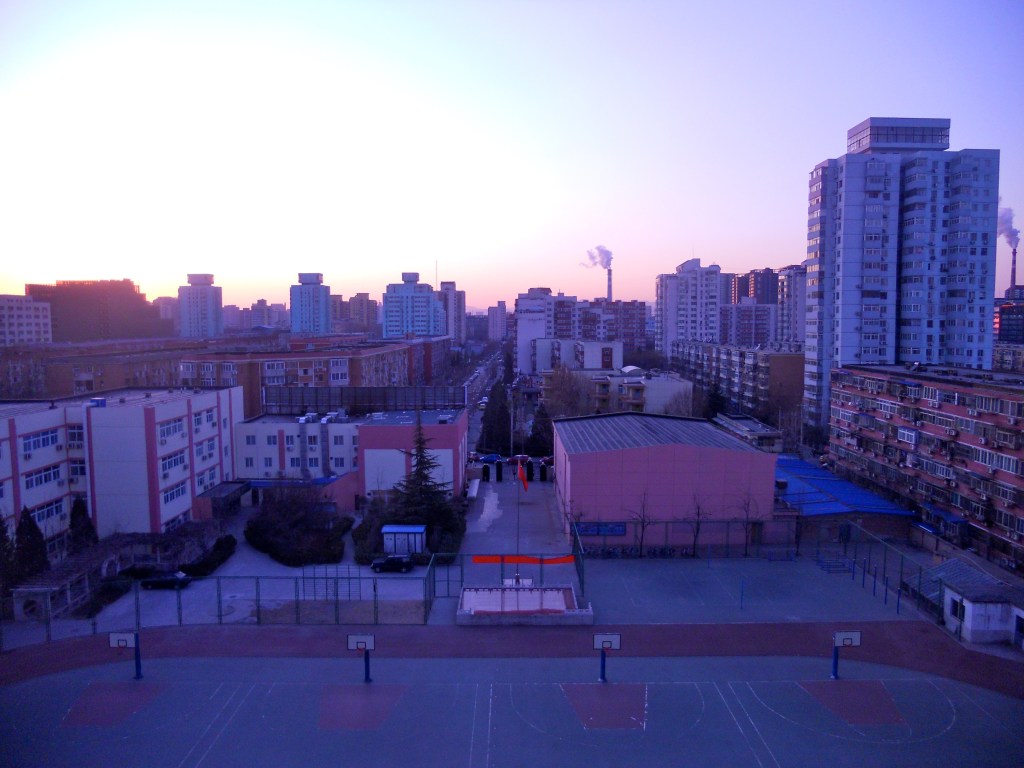
The view from the 9th floor of my apartment building on a clear day.

The view from the 9th floor of my apartment building on a polluted day.

You get used to the pollution after a while, at least the sight of it. I treat it as a trade-off for living in a rapidly developing land of opportunity, where jobs for college-educated expats are in high demand.

Continue reading

Strawberry chunks forever

In the years following the Sept. 11 terrorist attacks, Homeland Security officials, when asked to assess the threat of another attack, often responded: “It’s not a matter of if, but when.”

The same can be said about food poisoning in Beijing. No Western diet can prepare a man’s stomach for the taste, smell and texture of authentic Chinese cuisine. Eat here long enough, and it’s only a matter of time until you’re staggering to the nearest toilet, puking yourself into a coma.

I didn’t get sick for the first eight months I lived in Beijing. It wasn’t because I didn’t take risks. I ate food I didn’t know existed (sea cucumber), bit a bird below the ankle (chicken feet) and tried without much luck to chew through undercooked bull intestines. Any part of an animal is fair game to the Chinese. “Are you going to eat that?” a co-worker once asked me over dinner, pointing with his chopsticks to the eyeball of a fish that had been picked to the bone.

I also tried as many different kinds of restaurants as I could. There’s a huge variety in the city, and with a little research you can find nearly any kind of ethnic food in the world.  Beijing has around 60,000 restaurants, according to a local English-language magazine. Assuming you dined out three times a day, it would take about 55 years to try every restaurant in the city.

How do I know where your feet have been?

I had probably tried less than 100 by the time I sat down for dinner at a nondescript seafood restaurant for a meal of oysters and scallops. Cooked and coated in butter, they were delicious. As it has a tendency to do, the underdeveloped part of my brain that tells my hands to stop putting food into my mouth took the night off. Thirty oysters and a couple of cheap lagers later, I left and made a mental note of where the restaurant was located, hoping to come back. Continue reading