The USA isn’t the only melting pot around

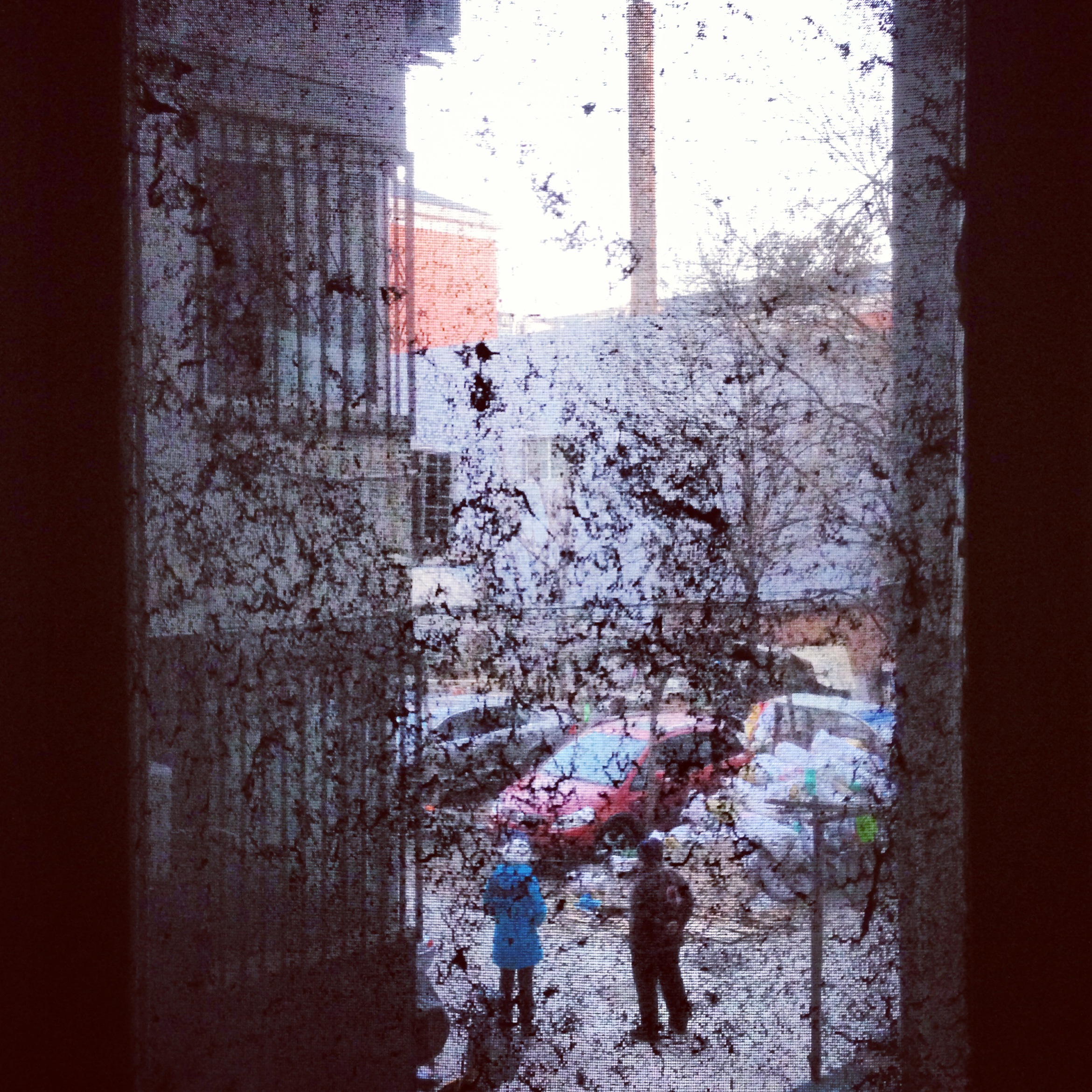
To practice my Chinese, I make an effort to strike up conversations with strangers in Beijing. One thing I’ve discovered is that almost none of the people I meet are from here.

They come to the Chinese capital from all over the country to study or work, and make up a significant portion of the city’s 20 million residents. Nearly one in three people in Beijing are migrant workers, according to China Daily.

This becomes most apparent during Chinese New Year, when everyone who isn’t a native Beijinger returns home to celebrate the holiday with their families. Bustling neighborhoods slow to a crawl. Beijing’s notoriously bad traffic becomes manageable. I can even usually find a seat on the subway, which feels like a luxury because it’s so overcrowded most of the time.

The 40-day travel rush around the Spring Festival period is called chunyun. According to Xinhua News Agency, Chinese passengers will make an estimated 3.62 billion trips during this year’s chunyun, which is commonly referred to as the world’s largest annual human migration.
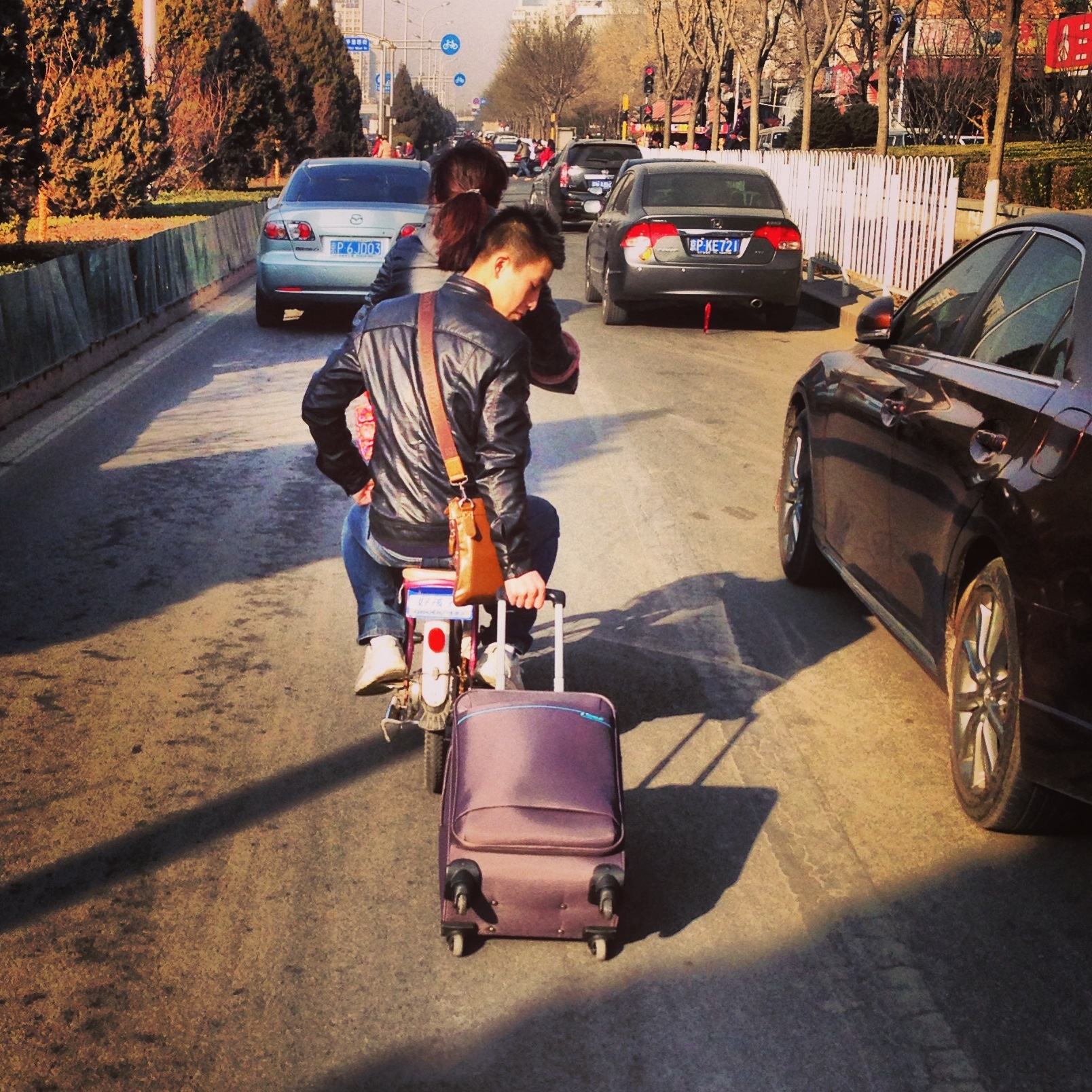
Cart puller.

A man drags his luggage behind an electric bike in Beijing. The capital empties out in the week leading up to the Spring Festival holiday, with millions returning to their hometowns.

The holiday travel puts a huge strain on China’s rail and air transportation networks. A friend of mine who runs a restaurant in Beijing said last week that his waitresses have had trouble getting train tickets home. One lined up outside a ticket office before dawn several days in a row, but came up empty-handed, he said.

I’ll be traveling during chunyun, but not to visit family. I’m flying to Yangshuo in southern China, a small city known for its karst peaks, which inspired the artwork on the back of the 20 yuan bill.

I should have plenty of opportunities to practice speaking Chinese while wandering through the countryside. And, with it being Spring Festival, I might even meet a few “real” locals.
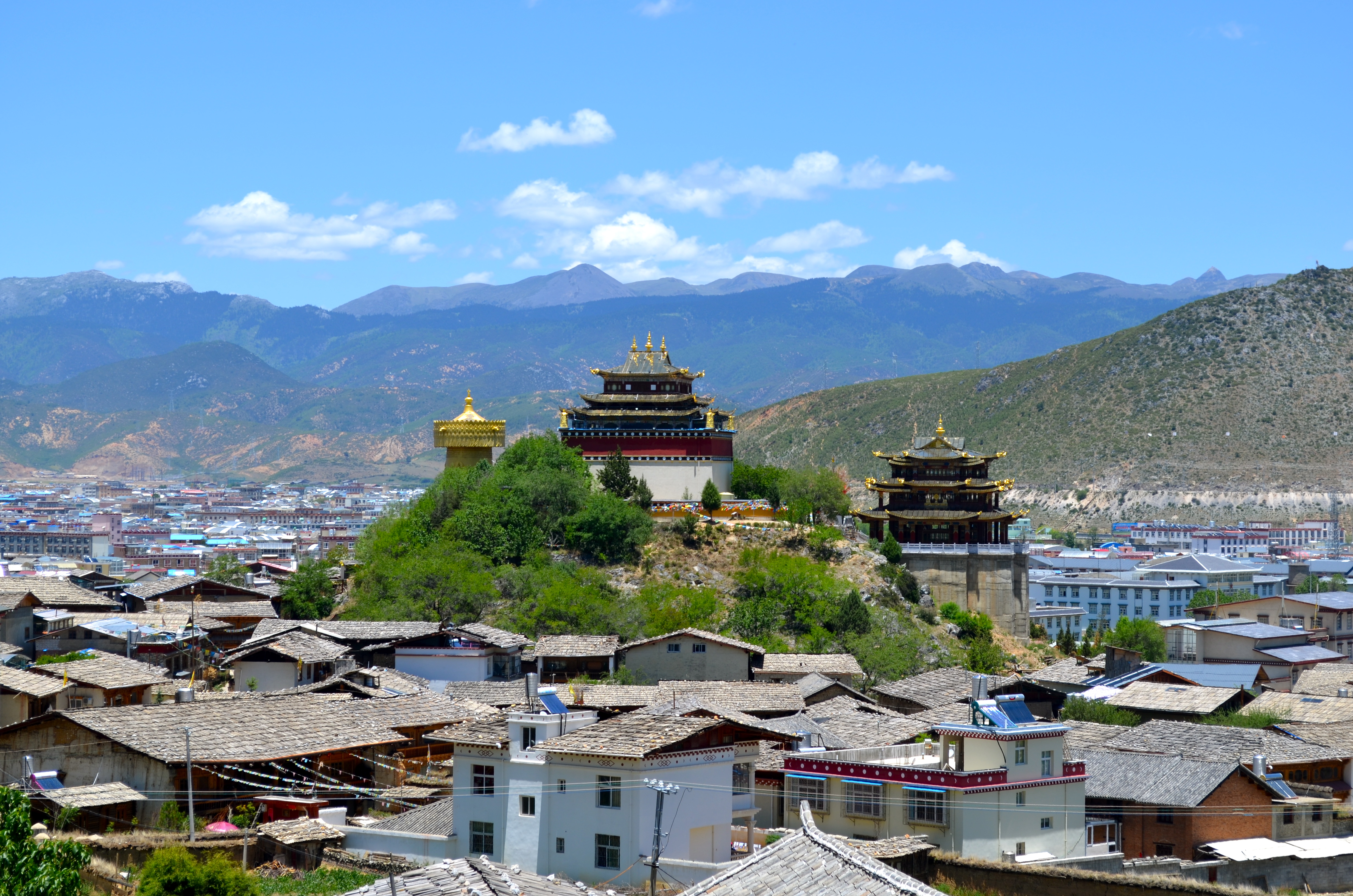
Hotel survives fire that razed ancient town

The hotel I stayed at in Dukezong survived Saturday’s fire, which destroyed most of the ancient town.

“We were very lucky, our hotel suffered little damage,” said Matthieu Lelievre, who owns Kersang’s Relay Station hotel with his wife and her family.

More than 80 percent of the buildings in Dukezong, located in southwestern China’s Yunnan province, were destroyed in the fire. The New York Times reported on Tuesday that local officials said the blaze was caused by an electrical problem that ignited a curtain inside a guesthouse. Continue reading

Sometimes what’s old deserves to stay up

A 1,300-year-old town I visited last summer in southwestern China’s Yunnan province was razed by a fire on Saturday.

According to CNN, the fire raged for more than 10 hours, destroying two-thirds of the 240 houses in the town of Dukezong. No casualties were reported.

The narrow, cobblestone streets that gave the ancient Tibetan town part of its charm made it difficult for firetrucks to maneuver. Arson has been ruled out, according to the report, but an investigation into the fire is ongoing.

The ancient town of Dukezong, as it looked in June when I visited.

The ancient town of Dukezong, as it looked in June when I visited.

The town’s well-preserved wooden houses are the latest in a long line of historically significant Chinese structures to disappear, many at the hands of man. Continue reading

Postcards from Beijing

A man prepares to kick a jianzi, or Chinese hacky sack, in front of the Drum Tower.

A man prepares to kick a jianzi, or Chinese hacky sack, in front of the Drum Tower.

IMG_1930

Nanluoguxiang, which was built during the Yuan Dynasty (1271-1368), is one of Beijing’s most popular hutong, or alleyways.

A couple chats at the edge of a lake in Houhai, a popular nightlife destination where many residences have been converted into restaurants and bars.

A couple chats at the edge of a lake in Houhai, a popular nightlife destination where many residences have been converted into restaurants and bars.

Jin Ding Xuan, a well-known dim sum restaurant chain.

Jin Ding Xuan, a well known dim sum restaurant chain.

Air pollution and dust are huge problems in Beijing. The Chinese government has vowed to reduce pollution by closing factories and restricting the number of vehicles on the road.

Air pollution and dust are huge problems in Beijing. The Chinese government has vowed to reduce pollution by closing factories and restricting the number of vehicles on the road.

A car after a dust storm last summer.

A car after a dust storm last summer.

The Lama Temple,  a temple and monastery of the Geluk School of Tibetan Buddhism, after a snow last winter.

The Lama Temple, a monastery of the Geluk School of Tibetan Buddhism, after a snow last winter.

A waitress at a bar on Wudaoying Hutong. With more than 350 million smokers, Chinese is the largest consumer and producer of tobacco.

A waitress at a punk bar on Wudaoying Hutong. With more than 350 million smokers, China is the largest consumer and producer of tobacco.

Inflation’s bad sting find its way to Beijing

“You’ll be amazed at how everything is so cheap here,” a friend told me about Beijing, after I accepted a job to work in the city.

And for a time, I was. A tall bottle of beer and plate full of meat skewers cost around 20 yuan ($3.29) at a restaurant near my office. Cab fares, with a flag-down rate of less than 10 yuan, were less than half of what you’d pay in a large US city.

Apartments I priced near the Lama Temple — an area popular among expats for its bars, cafes and traditional Beijing alleyways — were around 4,000 yuan a month, or $658, not bad for a city of more than 20 million.

Fast-forward three years and rent at those same apartments has increased more than 1,000 yuan ($164) a month. Groceries have also become more expensive, and that beer and plate of meat skewers now cost closer to 30 yuan ($4.94). Continue reading

The grandson from China

I recently returned to the U.S. to attend my grandfather’s funeral in northwestern Michigan. My grandfather Ed was well liked, and friends and family came from all over — Nevada, California, Ohio and even Canada — to pay their respects.

Perhaps it’s because I live so far away, but I was repeatedly introduced as “the grandson from China,” which led to a lot of questions. Isn’t China becoming more capitalist? (Absolutely.) Do the Chinese celebrate Christmas? (Only in a commercial sense.) Have you eaten dog? (No.) But would you try it if you were served dog? (No, really I wouldn’t.) Continue reading

To Grandpa with love, in real time

When my Dad died in 1989, I didn’t find out about it until hours after the fact. It happened suddenly — he suffered an abdominal aneurysm and quickly bled to death internally — and I was out of town at the time.

My mom didn’t have a cell phone that she could call me from in the ambulance that took Dad to the hospital. They were still uncommon then and obnoxiously large and expensive. I was in a car with a friend and his father, less than 70 miles from home, but essentially unreachable.

Today, I live in Beijing, a world away from my family in the United States. Yet as my Grandpa, stricken with final stage Parkinson’s disease, enters the final days or hours of his life, I’m receiving texts and emails every few hours about his condition. My aunts are uploading on Facebook pictures of relatives by Grandpa’s bedside, kissing his face, holding his hand and playing guitar. Continue reading

A soon-to-be lost art?

characters

In this photo, an elderly man uses a brush dipped in water to write a poem at the Yuan Dynasty City Wall park in Beijing.

Some Chinese practice calligraphy at parks for exercise, while others do it to show off their handwriting.

Chinese leader Mao Zedong and the Communist Party once considered doing away with Chinese characters and instead using a Roman-based alphabet system. The plan failed, but the millenia-old writing system now faces another threat: texting. Continue reading

Beijing safer than most U.S. places — apparently

A common question I get asked by friends and family back home is, “How safe do you feel in China?”

Compared to the U.S., I feel very safe. I can walk down just about any alley in Beijing at 4 a.m. without the fear of being mugged. China prohibits gun ownership by ordinary citizens, and even small weapons are hard to find.

For example, a few months ago, I went to a French sporting goods outlet to buy hiking gear for a trip to southwestern China’s Yunnan province. I asked a sales clerk whether they carried pocket knives, and she gave me a strange look. Continue reading

Postcards from 30,000 feet above the Rockies

I took these photos during a flight from Santa Fe, New Mexico, to Denver, Colorado. The pilot said we’d experience a few bumps while traveling over the Rocky Mountains. “We’re going to have a near-death experience every five minutes” would have been more accurate. What a jerk. Continue reading