A silver anniversary China wants to forget

Last week, I stayed at the Raffles Beijing Hotel, one of the oldest hotels in the Chinese capital. Built in 1917 on Chang’an Avenue, it has been a part of some of the most significant moments in modern Chinese history.

When the People’s Republic of China was founded in 1949, a banquet to celebrate the occasion was held at the hotel, and Chairman Mao Zedong danced in the lobby. Forty years later, in the spring of 1989, the hotel served as the base for many foreign journalists covering the student protests in Tiananmen Square.
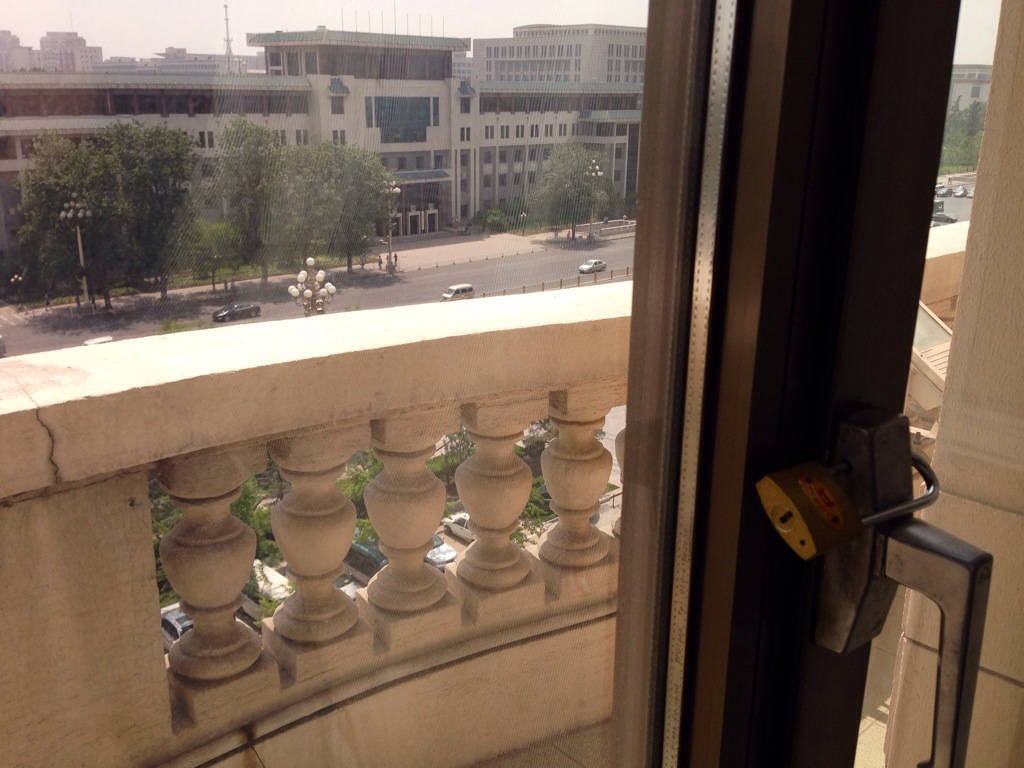
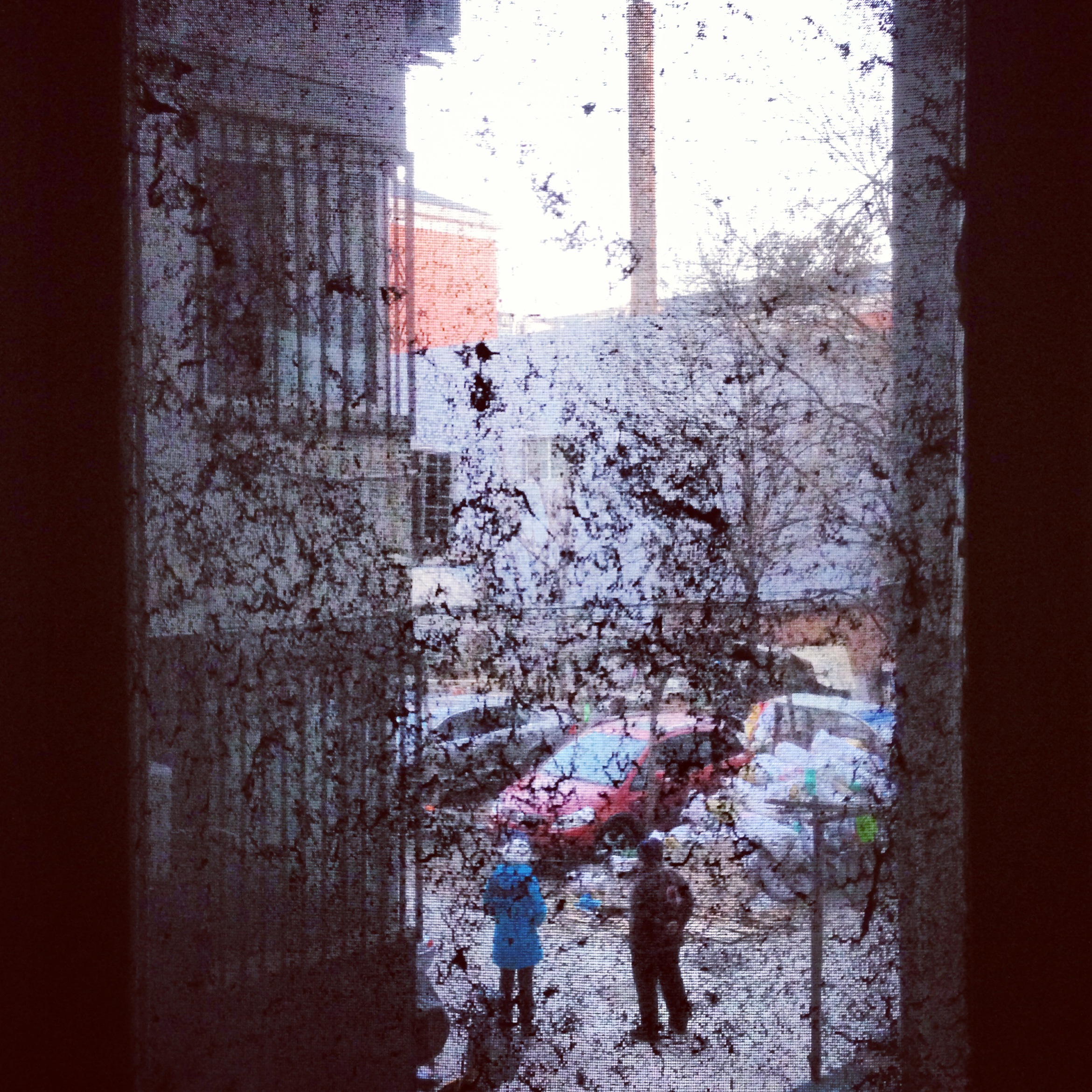
The view from my access-restricted balcony at Raffles Beijing Hotel.

The view from my balcony at Raffles Beijing Hotel.

I could see the square from my sixth-floor room, but the door to the balcony, where better views could be had, was locked. A letter from hotel management said “the hotel has received notice from the Public Security Bureau that there will be activities held along Chang’an Avenue.

“Therefore enhanced security measures will be put in place by the Chinese government, which are beyond the control of Raffles Beijing Hotel. From Tuesday, May 20th to Friday, June 6, 2014 we are obligated to lock windows and balconies facing Chang’an Avenue.”

I’m not aware of any “activities” planned during that time period, but June 4 marks the 25th anniversary of the government crackdown on the student protests. Each year, authorities step up security ahead of the anniversary and references to it are blocked online on the Chinese mainland.

The letter from the hotel.
The letter from the hotel.

Postcards from Hangzhou

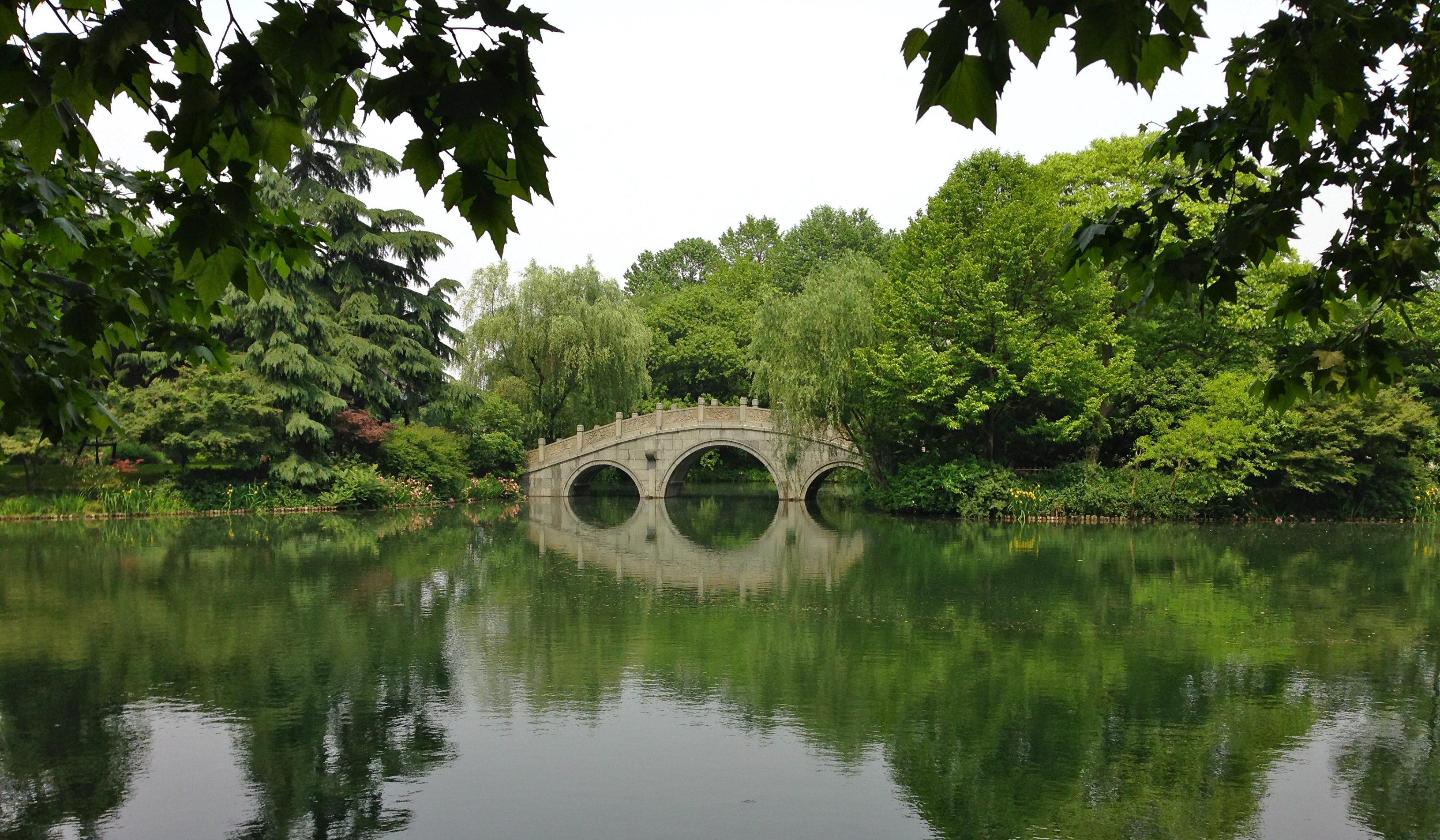
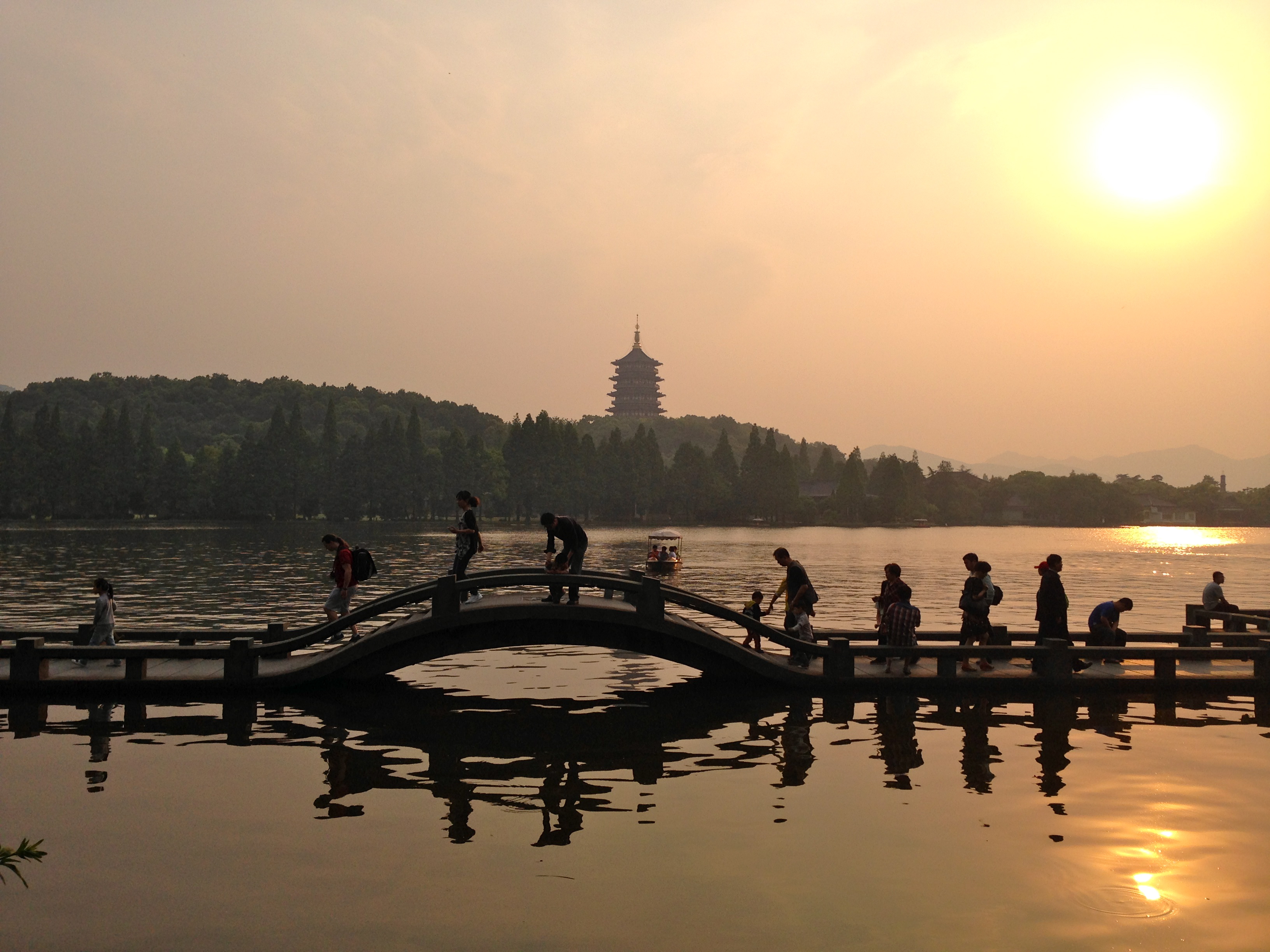
A famous bridge on Xihu Lake.

Xihu (West Lake) is the most popular tourist destination in Hangzhou, Zhejiang province.

Buddha and a baby.

A child poses with a Buddha statue on a busy commercial street in Hangzhou.

A bridge along Xihu Lake.

Xihu is a manmade lake that didn’t come into existence until the 8th century.

View of Xihu and downtown Hangzhou from Leifeng Pagoda.

View of Xihu and downtown Hangzhou from Leifeng Pagoda.

Postcards from Guangxi

A bridge in Guilin.

A bridge in Guilin, capital of Guangxi Zhuang Autonomous Region.

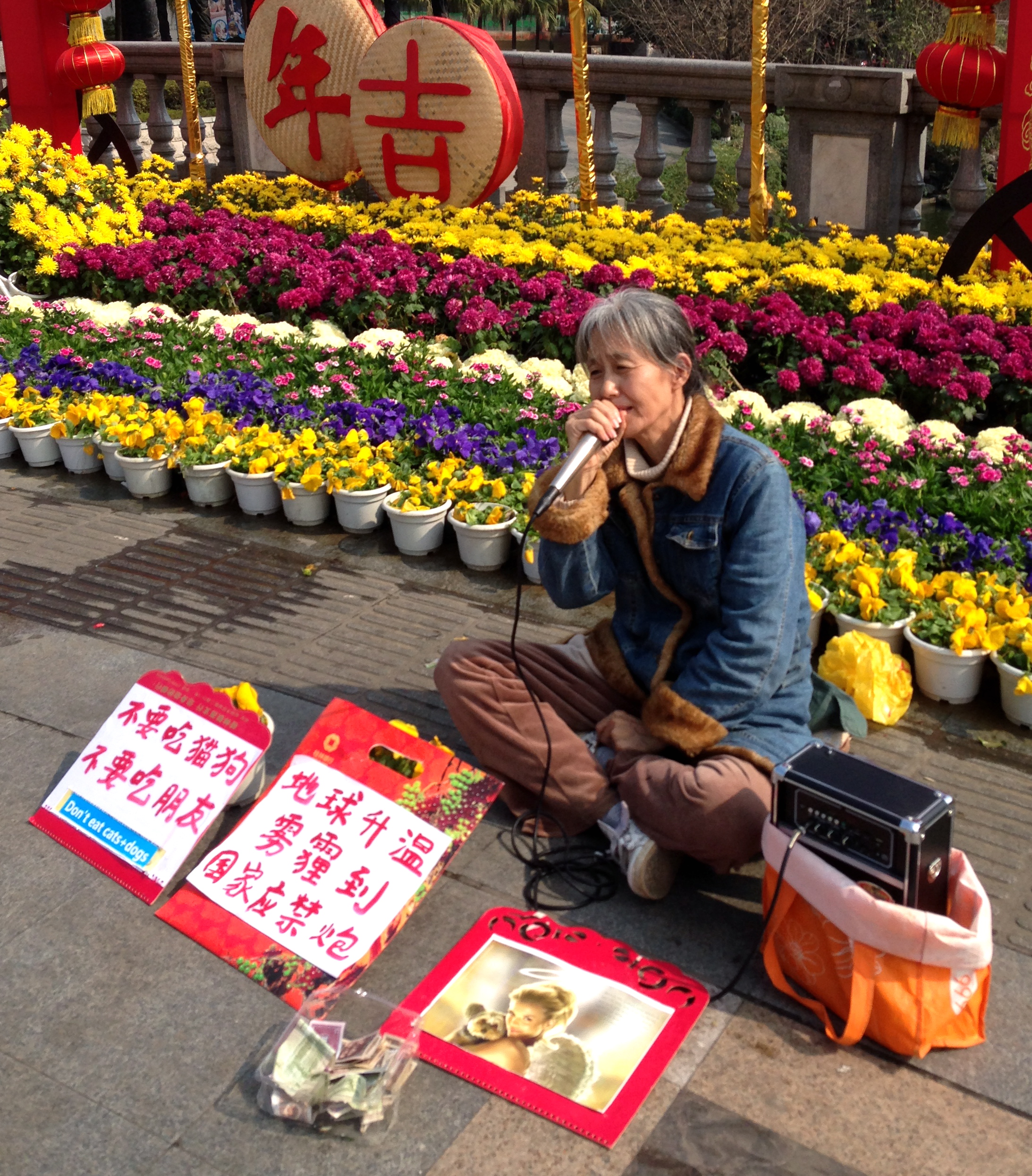
A street performer in Guilin. The sign on the left says: "Don't eat cats and dogs. Don't eat friends." The other one says, "With global warming comes smog/haze. The country (government) should ban firecrackers."

A woman I passed on the way to my hostel in Guilin. The sign on the left says, “Don’t eat cats and dogs. Don’t eat friends.” The other one says, “With global warming comes smog/haze. The country (government) should ban firecrackers.” Fireworks are commonly used to celebrate Chinese New Year, but some people have called for a ban on them to curb air pollution.

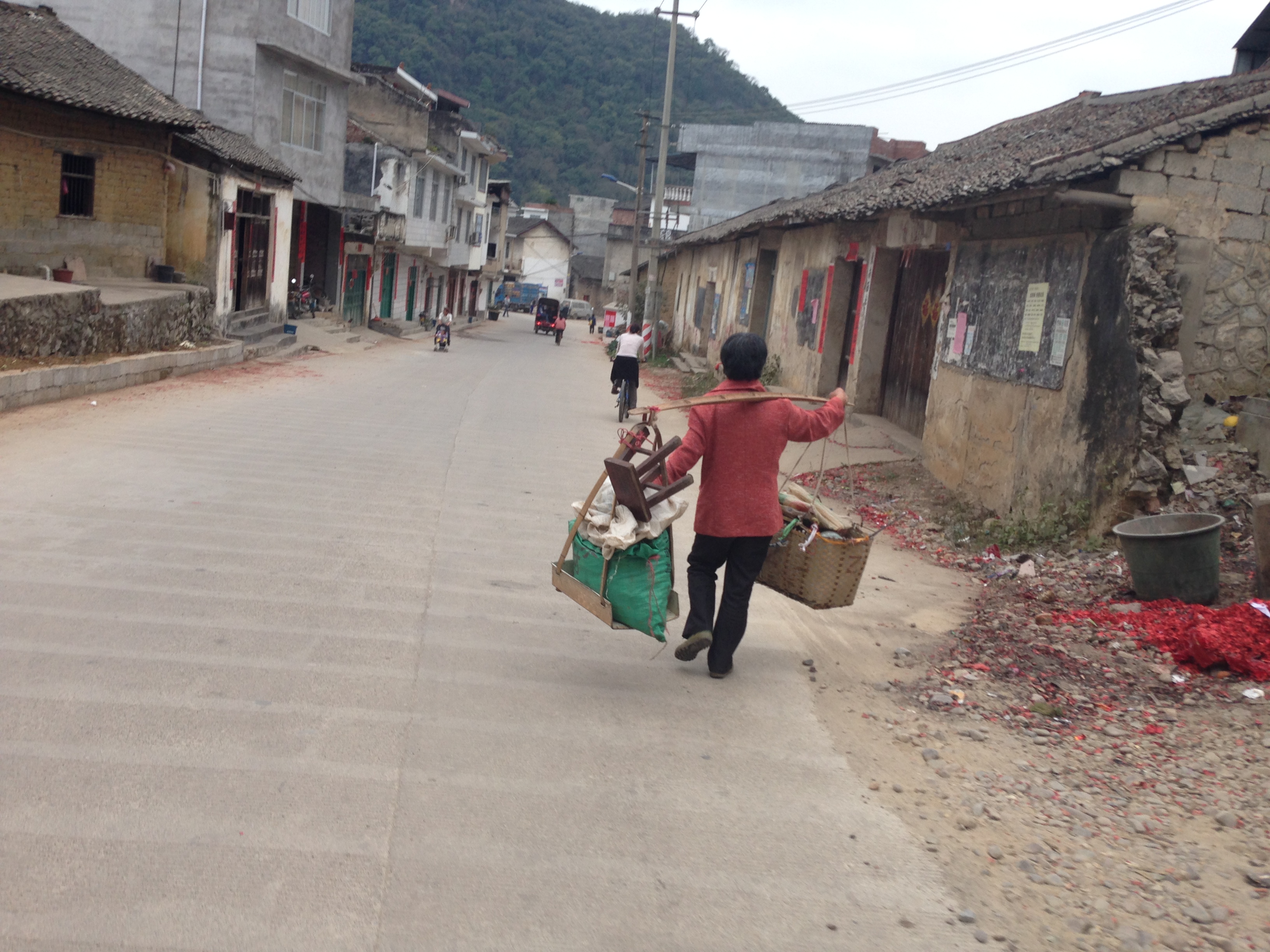
In a cab, somewhere between Guilin and Yangshuo.

In a cab, somewhere between Guilin and Yangshuo county.

IMG_5566

Yangshuo county, one of the most popular tourist destinations in China.

IMG_5452

Biking through an old town outside Yangshuo county.

Scenery unforgettable; the camera bag, not so much

I’ve traveled enough that preparing for a trip has become routine. The night before I leave, I make sure essential items have already been packed. Plenty of clean underwear. Passport. Cellphone charger. ATM card. Digital SLR camera.

I sleep easier knowing that when I wake up the following morning, all I have to worry about is brushing my teeth (never optional) and showering (sometimes optional).

For Chinese New Year, I traveled to Yangshuo (阳朔), a county in southern China’s Guangxi (广西)Zhuang Autonomous Region. Because of its unique landscape, Guangxi is a place I’d been wanting to visit ever since I moved to China. The province’s karst peaks give it an otherworldly feel. Continue reading

Hotel survives fire that razed ancient town

The hotel I stayed at in Dukezong survived Saturday’s fire, which destroyed most of the ancient town.

“We were very lucky, our hotel suffered little damage,” said Matthieu Lelievre, who owns Kersang’s Relay Station hotel with his wife and her family.

More than 80 percent of the buildings in Dukezong, located in southwestern China’s Yunnan province, were destroyed in the fire. The New York Times reported on Tuesday that local officials said the blaze was caused by an electrical problem that ignited a curtain inside a guesthouse. Continue reading

Postcards from Beijing

A man prepares to kick a jianzi, or Chinese hacky sack, in front of the Drum Tower.

A man prepares to kick a jianzi, or Chinese hacky sack, in front of the Drum Tower.

IMG_1930

Nanluoguxiang, which was built during the Yuan Dynasty (1271-1368), is one of Beijing’s most popular hutong, or alleyways.

A couple chats at the edge of a lake in Houhai, a popular nightlife destination where many residences have been converted into restaurants and bars.

A couple chats at the edge of a lake in Houhai, a popular nightlife destination where many residences have been converted into restaurants and bars.

Jin Ding Xuan, a well-known dim sum restaurant chain.

Jin Ding Xuan, a well known dim sum restaurant chain.

Air pollution and dust are huge problems in Beijing. The Chinese government has vowed to reduce pollution by closing factories and restricting the number of vehicles on the road.

Air pollution and dust are huge problems in Beijing. The Chinese government has vowed to reduce pollution by closing factories and restricting the number of vehicles on the road.

A car after a dust storm last summer.

A car after a dust storm last summer.

The Lama Temple,  a temple and monastery of the Geluk School of Tibetan Buddhism, after a snow last winter.

The Lama Temple, a monastery of the Geluk School of Tibetan Buddhism, after a snow last winter.

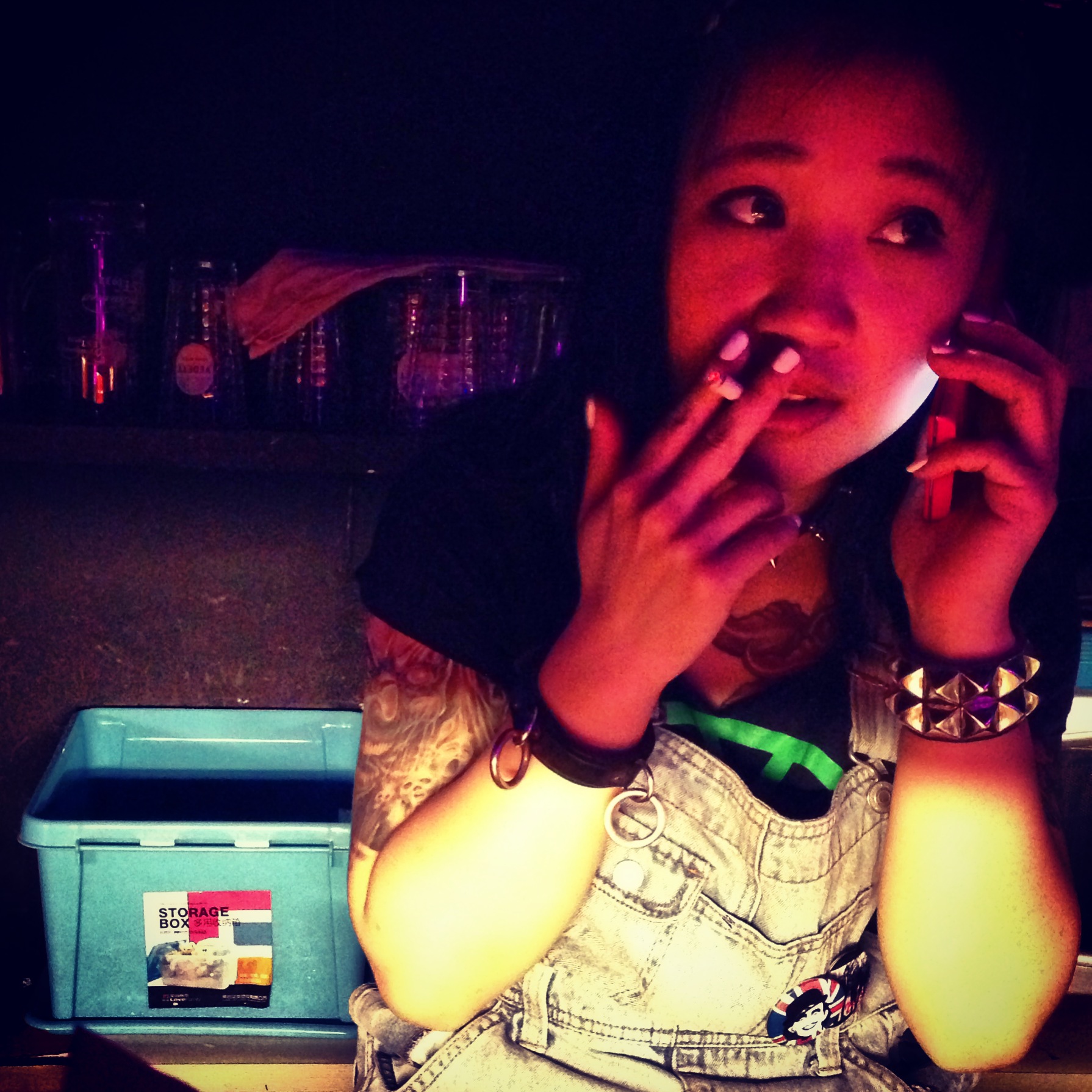
A waitress at a bar on Wudaoying Hutong. With more than 350 million smokers, Chinese is the largest consumer and producer of tobacco.

A waitress at a punk bar on Wudaoying Hutong. With more than 350 million smokers, China is the largest consumer and producer of tobacco.

A soon-to-be lost art?

characters

In this photo, an elderly man uses a brush dipped in water to write a poem at the Yuan Dynasty City Wall park in Beijing.

Some Chinese practice calligraphy at parks for exercise, while others do it to show off their handwriting.

Chinese leader Mao Zedong and the Communist Party once considered doing away with Chinese characters and instead using a Roman-based alphabet system. The plan failed, but the millenia-old writing system now faces another threat: texting. Continue reading

Beijing safer than most U.S. places — apparently

A common question I get asked by friends and family back home is, “How safe do you feel in China?”

Compared to the U.S., I feel very safe. I can walk down just about any alley in Beijing at 4 a.m. without the fear of being mugged. China prohibits gun ownership by ordinary citizens, and even small weapons are hard to find.

For example, a few months ago, I went to a French sporting goods outlet to buy hiking gear for a trip to southwestern China’s Yunnan province. I asked a sales clerk whether they carried pocket knives, and she gave me a strange look. Continue reading

The Queen of Beers

If Budweiser is the King of Beers, then Hello Kitty is definitely the Queen of Beers.

Available in six tropical flavors — including passion fruit, lemon lime and banana – Hello Kitty Beer is sure to sap whatever manliness you possess with just one sip. The beer was introduced in Taiwan and is now available on the Chinese mainland.

According to ABC News, the beverage is marketed toward adult fans of the cartoon cat (wink, wink; take a look at the can and judge for yourself). Continue reading

60 is the new 16

I was standing at a bus stop recently when a lady got in line behind me. She put down her bags and began twisting her arms from side to side.

With the grace of a gymnast, she raised one of her legs onto a metal railing at least three feet high. With her leg still propped up, she bent toward her foot, her chin nearly touching her ankle.

Did I mention she looked like she was in her 60s? Continue reading