The Death of Common Sense 

“Aw, look at that 2,000-pound bison. I just want to pinch its foot-long horns and rest my head against its bone-crushing hooves.”

Said no one ever … until recently.

A few visitors to Custer State Park in South Dakota this summer have been injured by the animals after getting too close to them. The tally is four injured, including one person who tried to pet a bison on the head (maybe, under the right lighting, they really do look like they’re just dying to be cuddled).

These are the first such incidents in five years at Custer State Park, which is home to around 1,300 bison. 

“The safest place to watch them is from your car,” a park employee told the Rapid City Journal in July.

That should be obvious, but we live in a time when motorists drive off demolished bridges and plunge to their deaths because Google Maps says to go straight; when hikers, in pursuit of a selfie that’ll rack up likers on Instagram, pose at the edge of cliff and fall off; and when teens walk into oncoming traffic because they’re chasing imaginary Nintendo characters on their cellphones.

That said, it’s not a stretch to assume that some visitors to Custer State Park aren’t paying attention to the signs that read: BUFFALO CAN BE DANGEROUS. DO NOT APPROACH.

The park employee, being polite, said an uptick in visitors could be to blame. 

I beg to differ and cite a different reason: Common sense, like the American bison in the 1800s, could be on the brink of extinction.  

Lady in red

Trees in bloom at the Yuan Dynasty City Wall Park.

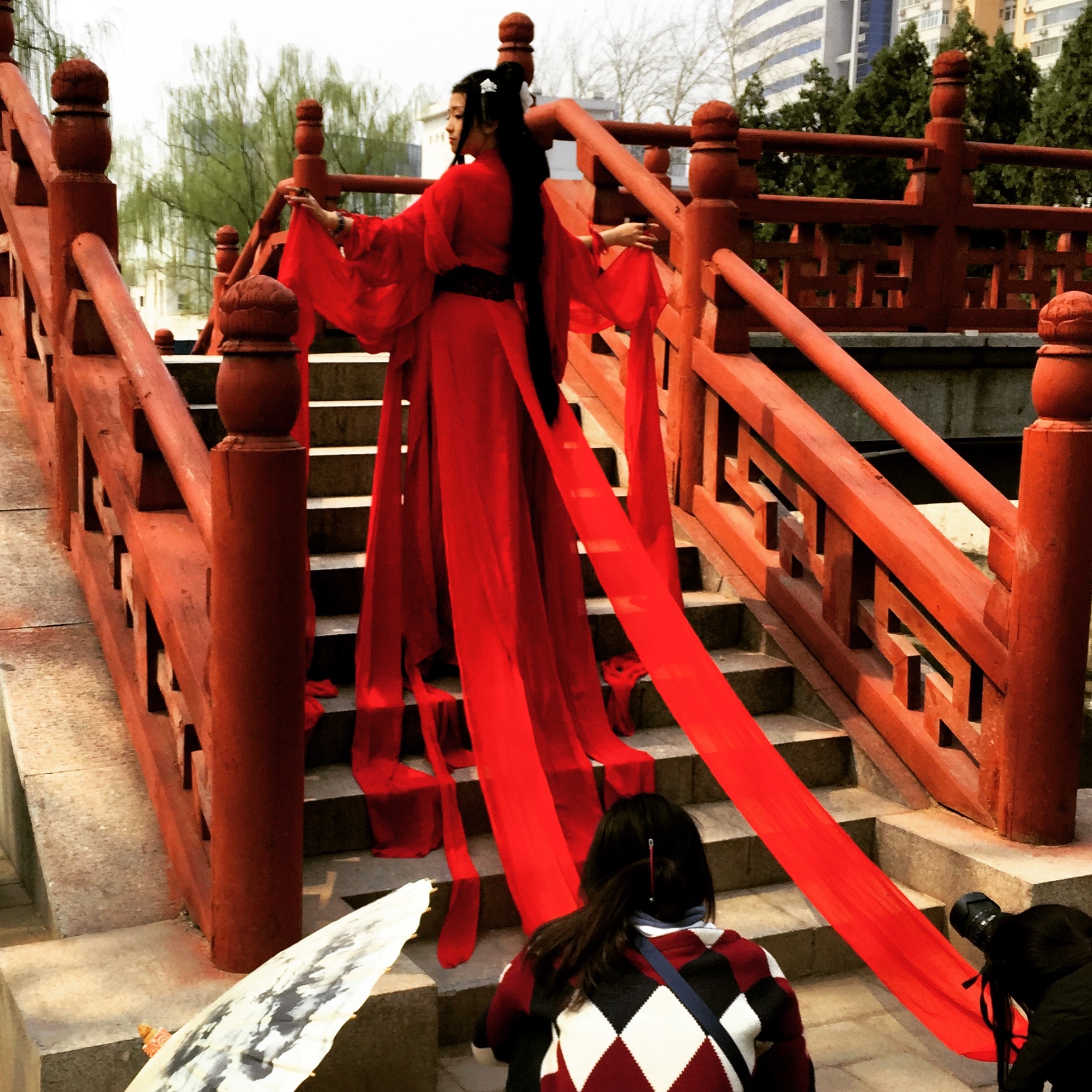
Spring is a popular time for photo shoots at the Yuan Dynasty City Wall Park in Beijing. The trees are in full bloom, and when the wind blows, white and pink petals float down on the heads of passers-by. On blue sky days, engaged couples flock to the park in their suits and white gowns to have their pictures taken.

I passed this young woman on a recent afternoon, dressed in a traditionally inspired red gown for a photo shoot. Walking in that dress without any help has to be difficult.

red

Postcards from Chengdu 

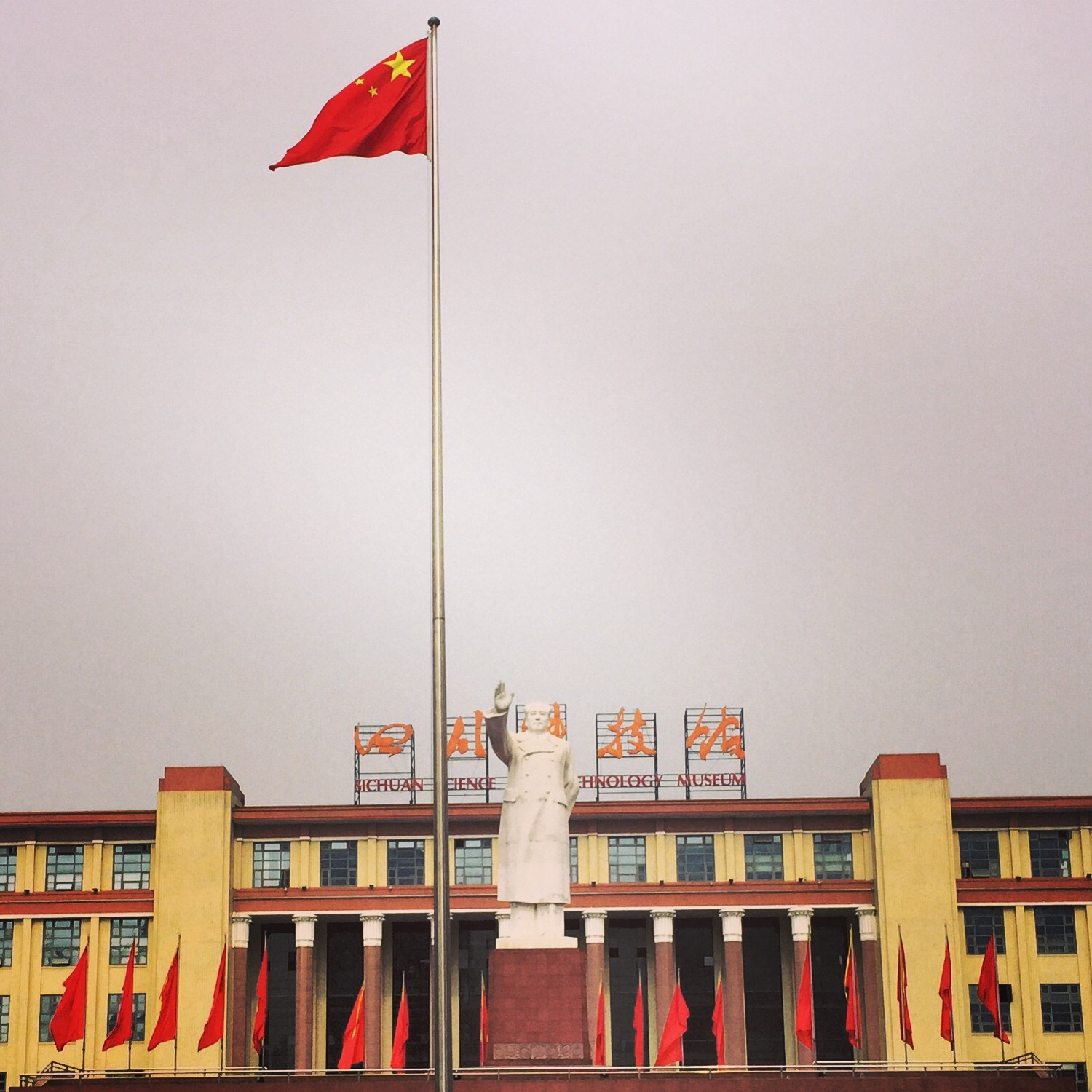
A statue of Chairman Mao Zedong looks over Tianfu Square, in the center of Chengdu.

A statue of Chairman Mao Zedong looks over Tianfu Square, in the center of Chengdu.

Chendgu is the provincial capital of Sichuan province, which is known for its spicy food.

Chendgu is the provincial capital of Sichuan province, which is known throughout the world for its spicy food.

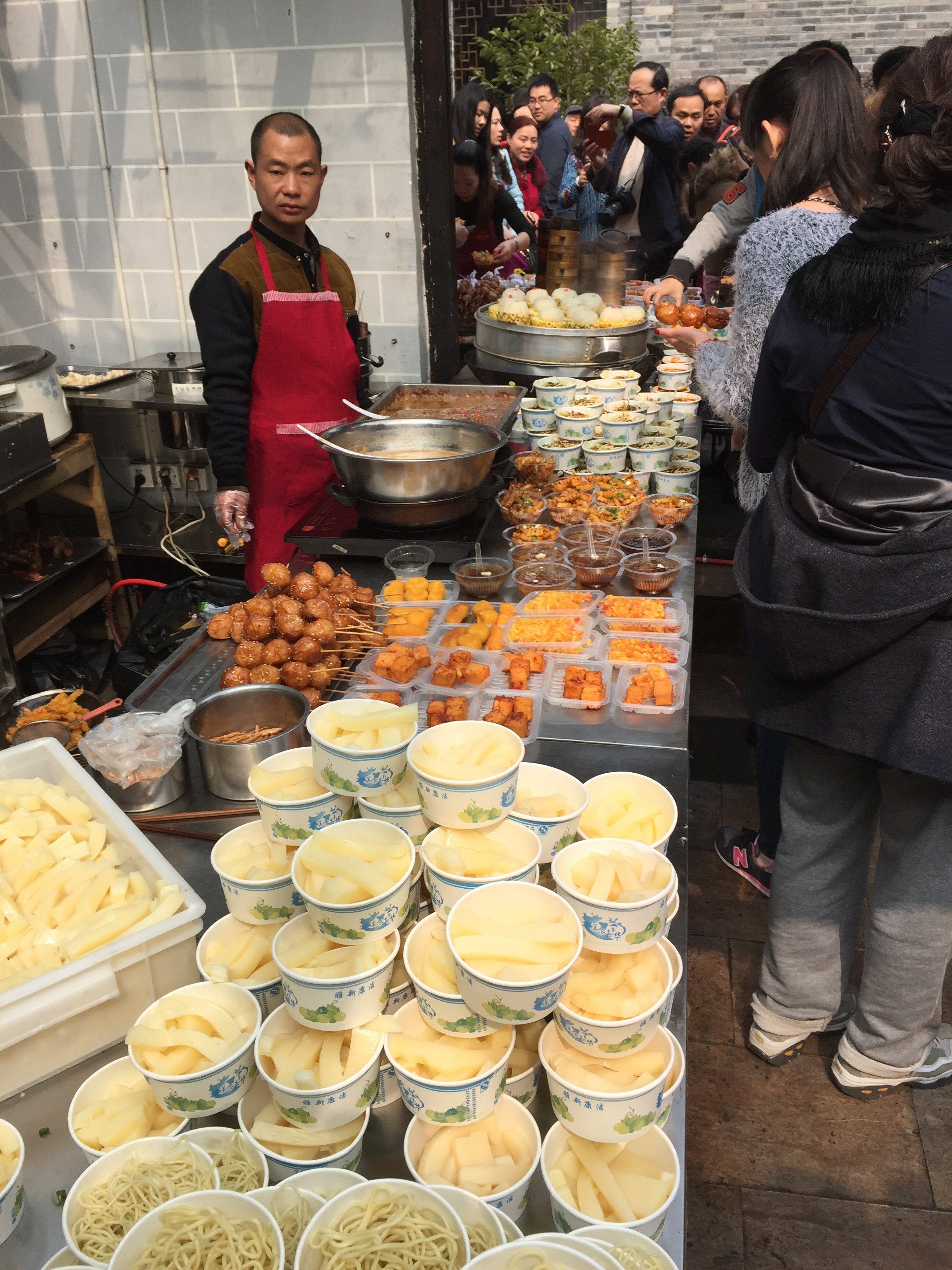
Chengdu is well know for its street food. Here, a vendor sells snacks at a restaurant on Jinli Pedestrian Street, a popular tourist site.

A vendor sells snacks at a restaurant on Jinli Pedestrian Street, a popular tourist area.

The entrance to a temple fair, held to celebrate Chinese New Year.  2015 is the Year of the Sheep.

The entrance to a temple fair, held to celebrate Chinese New Year. 2015 is the Year of the Sheep.

Vendors from western China's Xinjiang Uyghur Autonomous Region sell lamb skewers at the temple fair.

Vendors from western China’s Xinjiang Uyghur Autonomous Region sell lamb skewers at the temple fair.

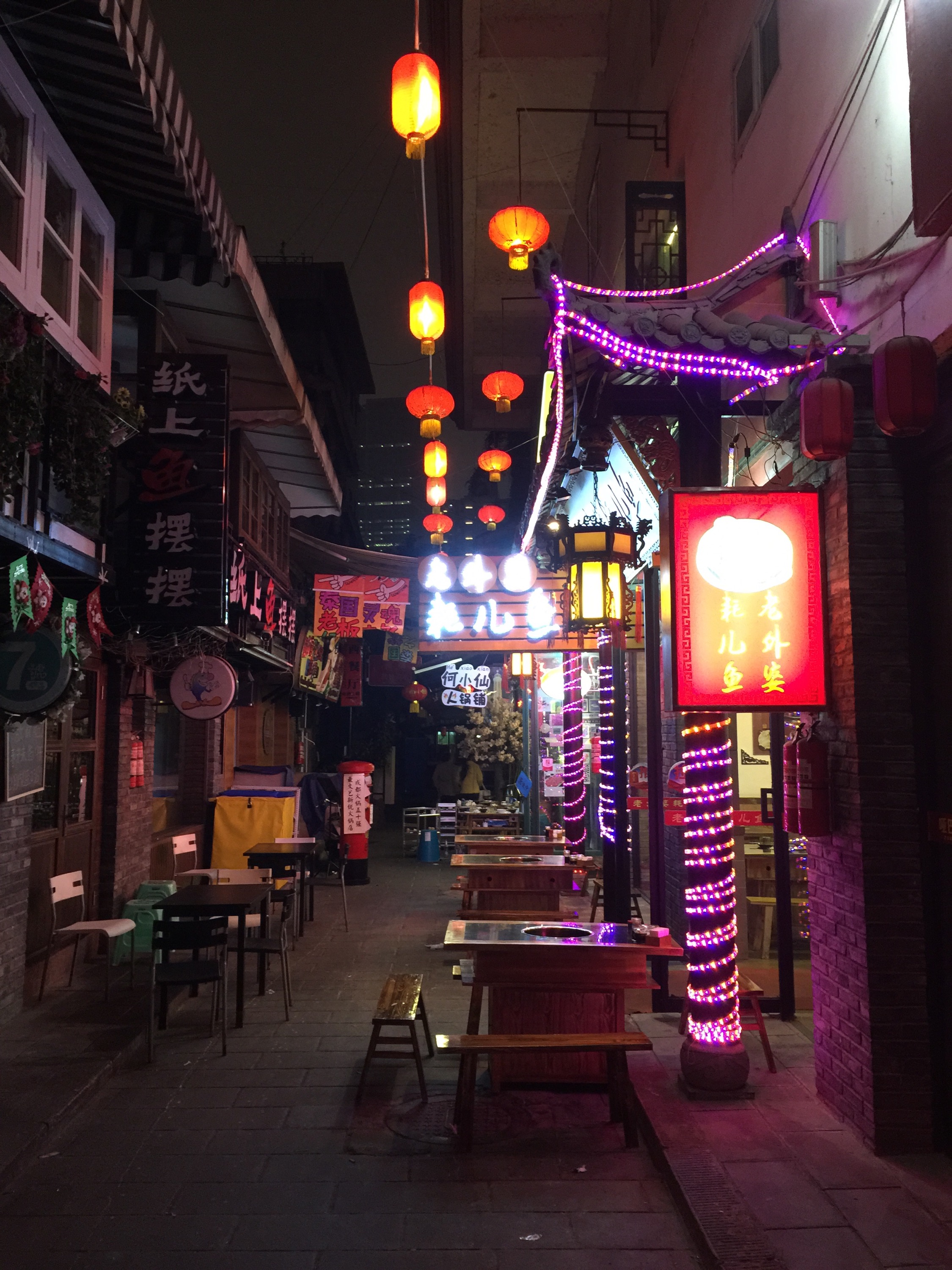
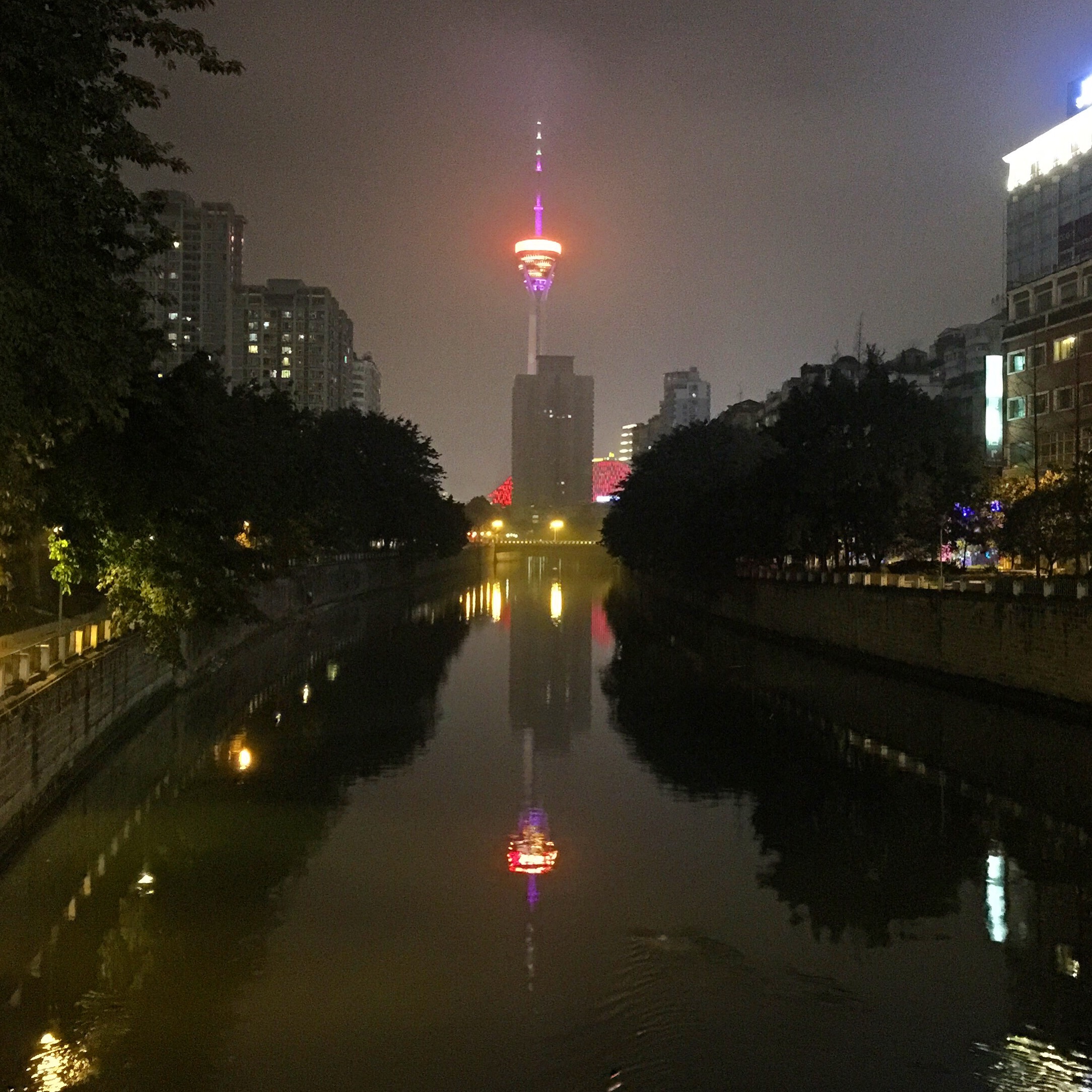
The city at night. With 14 million people, Chengdu is the largest city in Sichuan province.

With 14 million people, Chengdu is the largest city in Sichuan province.

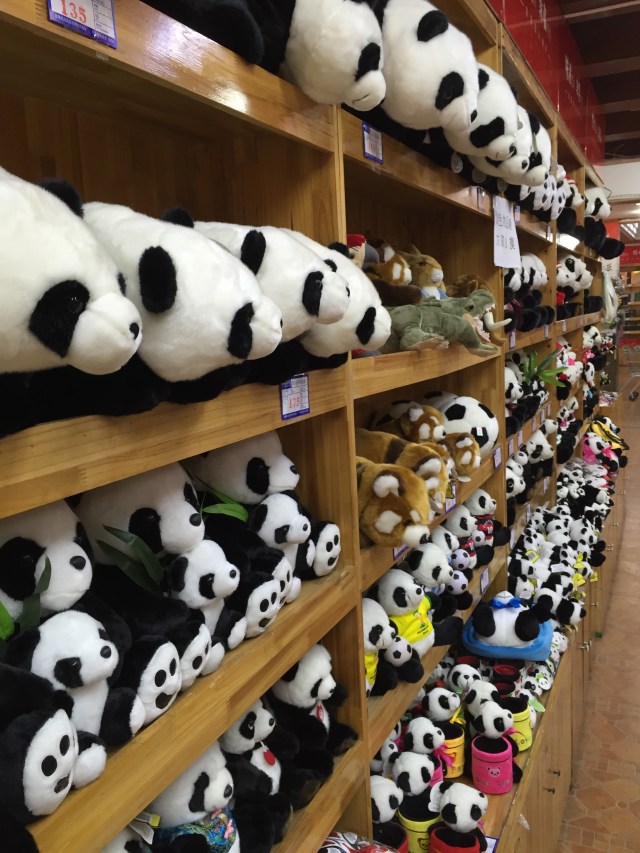
The panda is the national animal of China, and there’s no shortage of shops in Chengdu selling stuffed toys, T-shirts and coffee mugs featuring the animal.

Postcards from Panglao Island

The resort I stayed at, Amorita, has a beautiful infinity pool overlooking Bohol Sea.

Bohol province is one of the Philippines’ top tourist destinations. The resort I stayed at during my visit, Amorita, is located on Panglao Island and has an infinity pool overlooking Bohol Sea.

XXXXXX.

The peak tourism season in Bohol is from March to May.

Fishing is one of the top industries in Bohol province.

Fishing is one of the main industries in the province.

XXXXXX.

Alona Beach has become very commercialized and is full of restaurants and bars.

XXXXXX.

On a clear day, you can see Cebu province off in the horizon. Traveling by ferry from Bohol to Cebu takes about two hours.

Behold Bohol’s otherworldly Chocolate Hills

One of the more unique landscapes in the Philippines can be found in Bohol province, home of the Chocolate Hills.

The hills, which range in height from 40 to 120 meters, jut out of the ground like camel humps. Scientists say they were formed by the “uplifting of ancient coral-reef deposits, followed by erosion and weathering,” according to Lonely Planet.

DSC_0113

This phenomenon can only be found in two or three other places in the world (one of those places being the island of Java, in Indonesia). Continue reading

Roast Duck Dynasty

Beijingers love their roast duck. It’s a dish that’s synonymous with the capital and has been served since imperial times.

There’s even a museum dedicated to Peking roast duck (北京鸭子), which walks visitors through its origins and, more interestingly, shows step-by-step how the animal goes from the farm to your dinner plate. The museum is located on the seventh floor of Quanjude (全聚德), one of Beijing’s most popular roast duck restaurants.

First, we see the ducks sunning under radiant blue skies, enjoying their last moments of freedom.

/home/wpcom/public_html/wp-content/blogs.dir/6c2/27863802/files/2015/01/img_3447.jpg

Now in captivity, the ducks are fed to fatten them up, so they can later return the favor and fatten you up.

/home/wpcom/public_html/wp-content/blogs.dir/6c2/27863802/files/2015/01/img_3471.jpg

/home/wpcom/public_html/wp-content/blogs.dir/6c2/27863802/files/2015/01/img_3458.jpg

Stubborn ducks that skip meals will not be tolerated.

Picture 011

Once they’re nice and plump, things get serious and out comes the knife. Continue reading

Balancing act

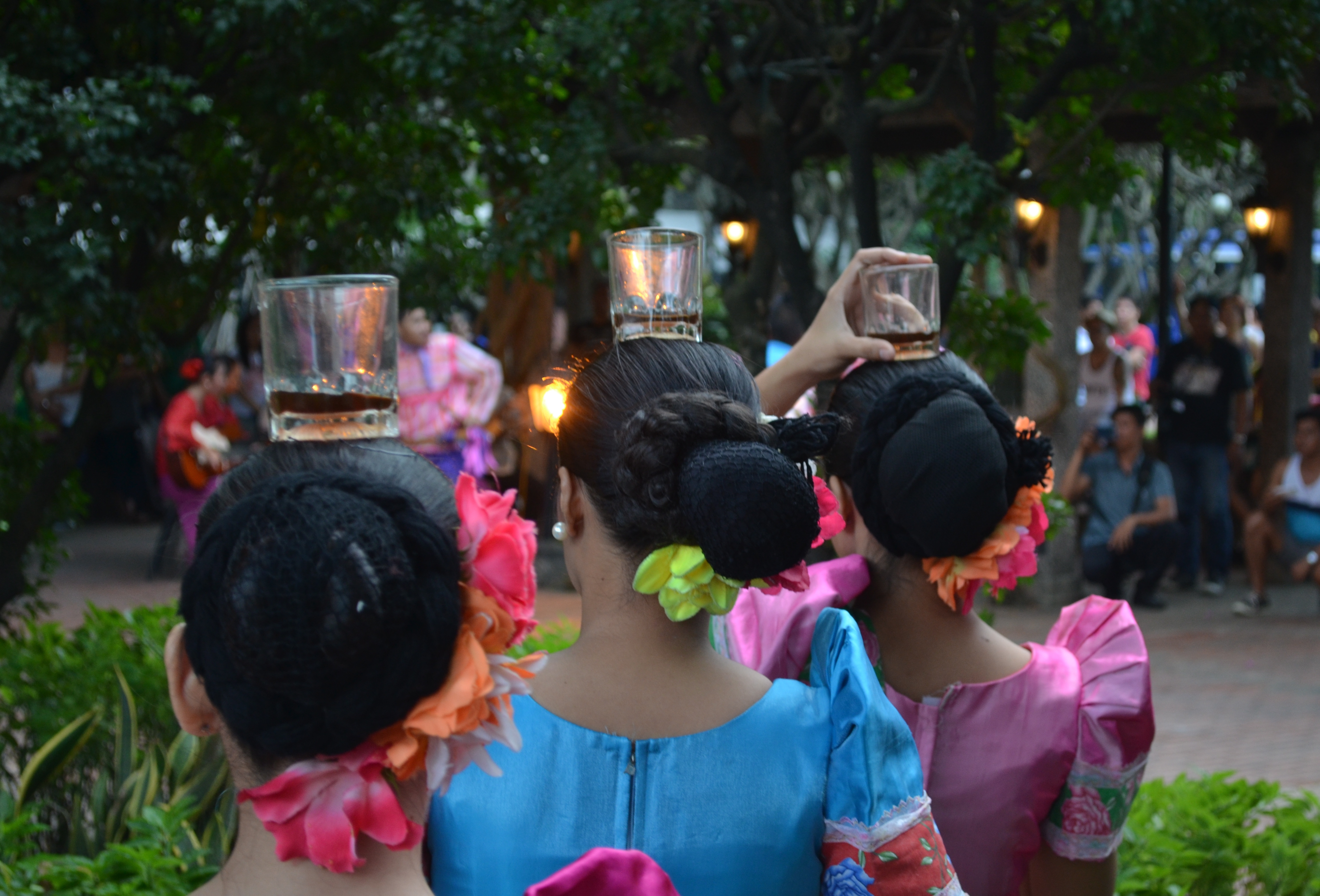
DSC_0070A group of women prepare for a dance performance at Intramuros, a colonial-era walled city in Manila, Philippines. The centerpiece of Spanish Manila (1521-1898), Intramuros was heavily damaged during a battle to recapture the city from the Japanese during World War II. Today, it is one of the most popular tourist attractions in Manila.

Snakes and alcohol don’t mix

I recently wrote a review of the world’s first bar dedicated to baijiu, a traditional Chinese rice liquor. Capital Spirits opened in August in Beijing, and offers more than 40 different varieties of baijiu.

Baijiu, which literally translates into “white liquor,” has been made in China for more than 5,000 years. The drink is generally 40 to 60 percent alcohol by volume, and its taste has been compared to bathroom cleaner and cheap perfume. Continue reading

Postcards from (smoggy) Beijing

Pollution levels reached "hazardous" levels in Beijing on Saturday. Some scientists have labled Beijing as "unlivable" because of the poor air quality in the city.

Air pollution reached “hazardous” levels in Beijing on Saturday. Some scientists have labeled the city as “unlivable” because of the poor air quality.

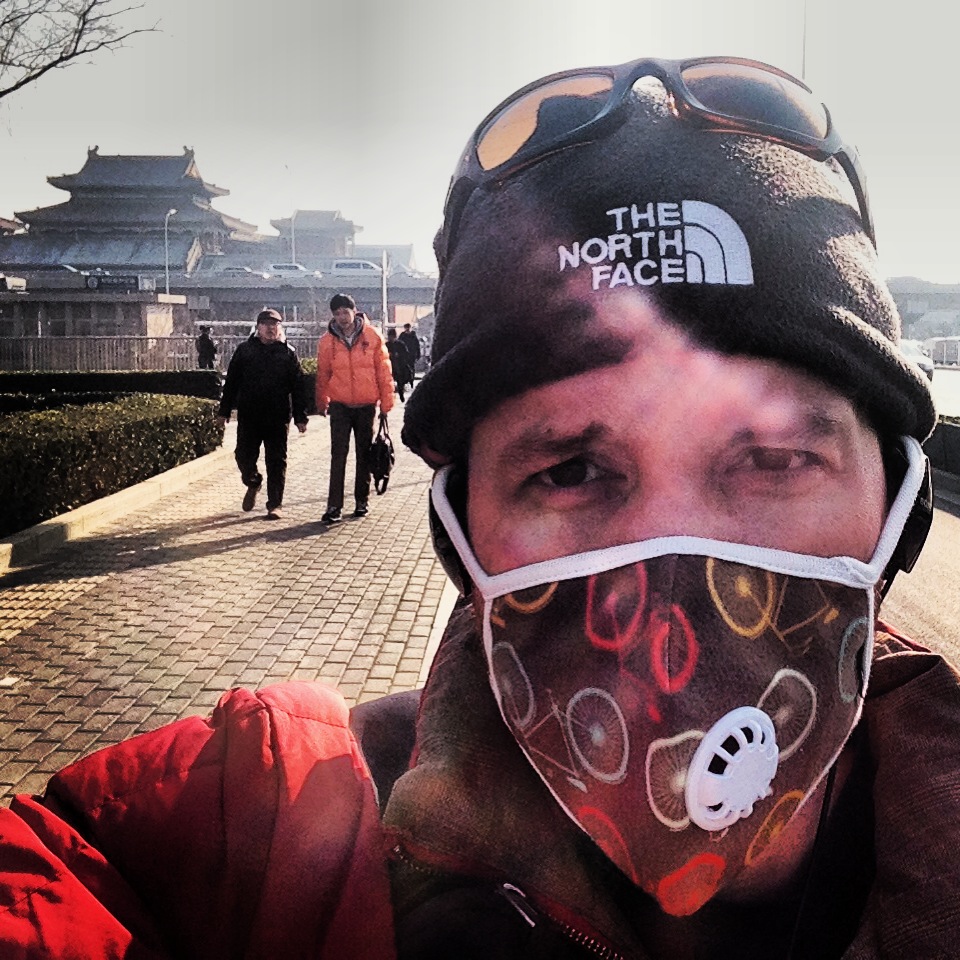
Pollution masks have become a necessity in the capital. I started wearing them a couple of years, after I noticed that I was getting sore throat and coughs more frequently.

Pollution masks have become a part of everyday life in the capital. I started wearing them a couple of years ago, after I bought a bike and began using it to commute around the city.

View of suburban Beijing from a subway car. Some scientists have labeled the city as "unlivable" because of the poor air quality.

View of suburban Beijing from a subway car. An Australian soccer player who spent a year in China told the magazine FourFourTwo that playing in the smog “was like closing your garage door, turning your car exhaust on and running around in the enclosed space.”


Zima, back from the dead and now available in China

Remember Zima, that lemon-lime alcoholic beverage from the clear drink craze of the early ’90s? Coors Brewing Company stopped producing it in the U.S. in 2008, but it’s found new life in Asia.

The 7-Eleven near my apartment in Beijing began stocking it recently, and just for the sake of nostalgia I bought a bottle. Zima was a staple at house parties when I was a teenager, a drink for girls who didn’t like beer or liquor. Jolly Ranchers, a type of hard candy, were often added to “improve the taste.” Continue reading